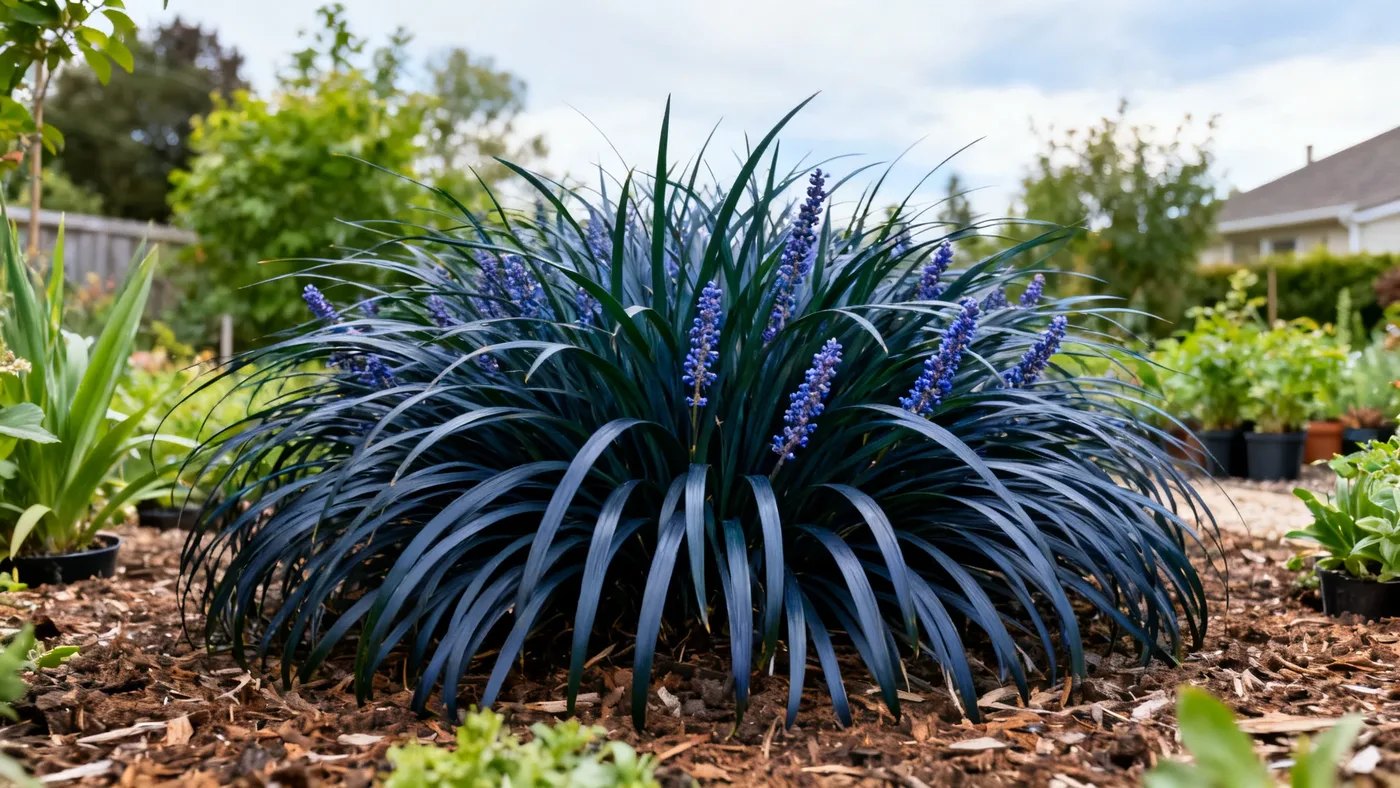
Is Big Blue Lilyturf Deer Resistant? What to Expect
If you're planting a landscape where deer are a regular concern, Big Blue Lilyturf is a smart choice. This groundcover offers reliable deer resistance, making it one of the most dependable plants for borders, mass plantings, and erosion control in areas where browse pressure is high. Below, we answer the most common questions about Big Blue Lilyturf's resistance to deer and other wildlife, plus practical strategies for maximizing your success with this plant.
Deer Resistance and Browse Pressure
Is Big Blue Lilyturf truly deer resistant?
Yes, Big Blue Lilyturf exhibits high deer resistance. Deer typically avoid the plant because its strap-like foliage and dense growth habit offer little nutritional appeal compared to softer, more palatable plants. Once established, it reliably survives in moderate to high deer pressure zones without protective fencing.
Will deer eat Big Blue Lilyturf flowers or foliage?
Deer rarely browse the flowers or foliage of Big Blue Lilyturf. The flower spikes, which rise to about 18 to 24 inches and bloom violet-purple in mid to late summer, are even more resistant to browse than the foliage. This plant works as both an ornamental and a deterrent in mixed borders.
What makes Big Blue Lilyturf unattractive to deer compared to other plants?
The texture and structure of the plant discourage browsing. Deer prefer tender, broad-leafed plants over tough, strap-like foliage and woody growth. Big Blue Lilyturf's dense clumping habit and evergreen or semi-evergreen foliage provide little of what deer seek when foraging.
Does Big Blue Lilyturf need fencing to stay protected from deer?
No, fencing is not required. Its high deer resistance means it can thrive in open landscapes without protective barriers. This makes it an economical choice for large mass plantings where installing and maintaining deer fencing would be impractical.
Can I rely on Big Blue Lilyturf as the sole groundcover in a deer-heavy area?
Yes, when spaced 12 to 18 inches apart, Big Blue Lilyturf creates a dense, cohesive cover that both deters deer and fills space quickly over its 2 to 3 year maturity window. Pair it with other deer-resistant companion plants like hostas, ferns, and astilbe to build a layered, resilient landscape.
Deer Damage and Winter Scenarios
Will deer trample or bed down on Big Blue Lilyturf?
Although deer typically avoid eating the plant, heavy foot traffic or deer bedding in winter can temporarily flatten or damage the foliage, especially in colder zones. The plant recovers quickly once spring growth begins, and you can speed recovery by cutting back old foliage in late winter or early spring.
What should I do if I notice browsed or damaged foliage?
If isolated damage appears, monitor the plant over the next few weeks. Most damage to Big Blue Lilyturf is incidental rather than intentional browsing. Established plants regenerate quickly; simply remove dead or damaged leaves and allow new growth to emerge.
Is Big Blue Lilyturf safe in zones where deer populations spike seasonally?
Yes, the plant's high deer resistance holds across USDA zones 5 to 10, even in areas with seasonal deer surges. In zones 5 and 6, where foliage may brown or die back in harsh winters, the plant will still recover in spring, unaffected by deer pressure.
Do I need to replant Big Blue Lilyturf after deer damage?
No replanting is typically necessary. Big Blue Lilyturf is a long-lived perennial that persists 10 or more years with occasional division. Even if browse damage occurs, the plant bounces back without intervention.
Other Wildlife: Birds, Pollinators, and Pests
Will birds or other wildlife damage Big Blue Lilyturf?
Birds will not damage the foliage. In fact, the plant attracts bees to its flowers and produces black berry clusters that birds eat through winter, adding to your landscape's wildlife appeal without harming the plant.
Is Big Blue Lilyturf attractive to beneficial pollinators?
Yes, the violet-purple flowers attract bees and other pollinators during mid to late summer bloom. This makes the plant a functional choice for supporting pollinator populations while maintaining its ornamental role.
Are slugs or snails a threat to Big Blue Lilyturf in moist areas?
Slugs and snails can be occasional pests, particularly in areas with consistently wet conditions. Space plants adequately for air circulation, ensure well-drained soil, and monitor young plantings. Established clumps are more resistant to damage.
What about scale insects on Big Blue Lilyturf?
Scale insects are a possible but uncommon pest. They rarely cause significant damage and can typically be managed through light pruning or removal of affected foliage. Healthy, established plants show strong resistance to pest pressure.
Rabbit Resistance and Other Small Herbivores
Is Big Blue Lilyturf resistant to rabbit damage?
Yes, rabbits also tend to avoid Big Blue Lilyturf because its tough, strap-like foliage and dense growth structure offer little food value. The plant pairs well with other rabbit-resistant perennials in mixed borders.
Will groundhogs or other burrowing animals damage Big Blue Lilyturf plantings?
Groundhogs and voles do not target Big Blue Lilyturf for food. However, their burrowing activity can disturb soil around plantings. Use landscape fabric or dense spacing to discourage burrowing beneath or near the clumps.
Planting and Placement Strategies for Deer-Prone Areas
What is the best planting distance for deer-resistant Big Blue Lilyturf borders?
Space plants 12 to 18 inches apart for mass plantings and borders. This spacing ensures dense coverage within 2 to 3 years, creating a unified groundcover that both looks complete and maximizes the plant's deterrent effect.
Should I plant Big Blue Lilyturf in full sun or shade in deer-heavy areas?
Big Blue Lilyturf thrives in part shade to full shade, and foliage color and density are best in part shade. In shadier zones, the plant's dense growth provides excellent cover and deterrent value against browsing, while full-sun plantings remain equally deer resistant.
Can I use Big Blue Lilyturf under trees in a deer-browsed landscape?
Absolutely. The plant tolerates shade under trees and pairs naturally with hostas and other shade companions. This makes it an ideal choice for creating layered, deer-resistant understory plantings beneath canopy trees.
Is Big Blue Lilyturf good for erosion control on slopes where deer roam?
Yes, one of the plant's key landscape uses is erosion control. The dense root system holds soil while high deer resistance means the plants will stay established on open slopes without protection. Clumps spread a few inches per year via short rhizomes, gradually filling gaps.
Companion Planting and Mixed Borders
What companion plants pair well with Big Blue Lilyturf in deer-resistant borders?
Hostas, ferns, astilbe, hellebores, and heuchera are all excellent companions that share Big Blue Lilyturf's shade tolerance and deer resistance. Combine plants at different heights and bloom times to extend ornamental interest from spring through fall.
Should I avoid tender plants when pairing Big Blue Lilyturf with other groundcovers?
Yes, stick with plants that have similar or higher deer resistance. Since Big Blue Lilyturf itself is a dependable choice, surrounding it with equally tough plants like ferns or heuchera ensures a cohesive, resilient border that won't create weak points where deer browse selectively.
Long-Term Maintenance and Deer Pressure
Will Big Blue Lilyturf's deer resistance decline as the plant matures?
No, the plant's deer resistance remains consistent throughout its lifespan, which commonly exceeds 10 years. Established clumps are just as unappealing to deer as younger plants, making this a lasting solution.
Do I need to fertilize or treat Big Blue Lilyturf to maintain its deer-resistant properties?
No special treatment is needed. A light application of general-purpose or slow-release fertilizer in spring supports healthy growth, and the plant tolerates lean soil. Routine maintenance like cutting back old foliage in late winter improves appearance without affecting deer resistance.
Will dividing Big Blue Lilyturf clumps affect their deer resistance?
No, division does not change the plant's properties. Dividing established clumps in spring is the standard propagation method and results in new plants with the same high deer resistance as the parent.
Quick Reference
| Aspect | Details |
|---|---|
| Deer Resistance | High; browsing is rare |
| Rabbit Resistance | Yes, plant is unpalatable |
| Common Pests | Slugs, snails, scale insects (rare) |
| USDA Zones | 5-10 (evergreen zones 7-10, semi-evergreen 5-6) |
| Mature Height | 12-18 inches foliage; bloom spikes to 18-24 inches |
| Spacing for Mass Plantings | 12-18 inches apart |
| Time to Full Coverage | 2-3 years |
| Best Light | Part shade to full shade (best color in part shade) |
| Lifespan | 10+ years (long-lived perennial) |
| Bloom Time | Mid to late summer (July-August, varies by region) |
| Bloom Color | Violet-purple spikes |
| Wildlife Benefit | Attracts bees; berries eaten by birds |