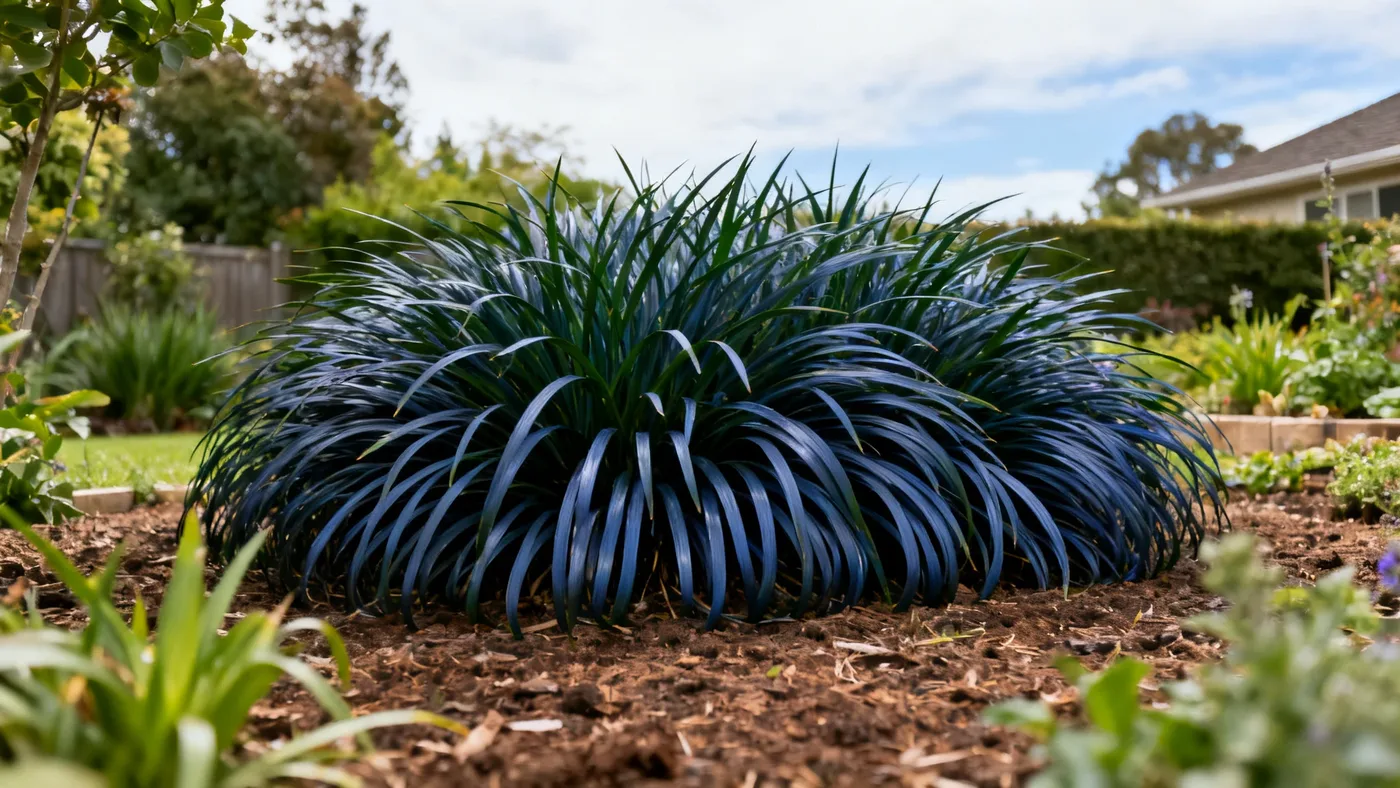
Big Blue Lilyturf Hardiness Zones: Where Does It Grow Best?
Big Blue Lilyturf is a tough perennial that handles a wide range of hardiness zones, but success depends on knowing what to expect in your climate. Understanding your zone's impact on this plant's evergreen status, foliage color, and winter survival is key to keeping it healthy and attractive year-round. This FAQ covers zone-by-zone expectations and strategies to help you grow Big Blue Lilyturf successfully no matter where you garden.
General Hardiness Zone Range
What hardiness zones is Big Blue Lilyturf suited for?
Big Blue Lilyturf grows reliably in USDA hardiness zones 5 through 10, making it an option for most of the continental United States. This range spans from harsh northern winters to mild southern climates, offering flexibility for a wide range of gardeners. However, the plant's winter behavior varies significantly depending on whether you are at the cold or warm end of this spectrum.
Can I grow Big Blue Lilyturf outside zones 5 through 10?
Growing Big Blue Lilyturf outside zones 5-10 is generally not reliable. In zones colder than zone 5, winter temperatures regularly fall below what this plant can tolerate, leading to plant death. In zones warmer than zone 10, the heat and humidity may stress the plant, though some gardeners in zone 11 have success with afternoon shade and careful watering.
Is Big Blue Lilyturf hardy in all climates within its zone range?
While Big Blue Lilyturf is rated for zones 5-10, micro-climates within your zone can make a real difference. A sheltered spot on the south side of your house may outperform an exposed, windswept location even in the same zone. Cold pockets in valleys and open areas that receive harsh winter winds can also stress the plant more than typical zone conditions.
Zones 5 and 6: What to Expect in Colder Regions
Will Big Blue Lilyturf survive in zone 5?
Yes, Big Blue Lilyturf can survive in zone 5, but it is more likely to die back or brown significantly during harsh winters. The plant's foliage may not remain completely green year-round in this zone, and winter frost can damage or kill back some or all of the above-ground growth. In spring, new shoots emerge from the hardy roots, and the plant recovers, though it starts the season later than in warmer zones.
Will Big Blue Lilyturf survive in zone 6?
Zone 6 is more favorable for Big Blue Lilyturf than zone 5, but winter die-back or browning is still likely. Foliage typically stays semi-evergreen, meaning it may persist through much of the winter but can brown or decline by late winter or early spring. Protected microclimates, good drainage, and avoiding heavy ice loads will improve survival odds significantly.
What happens to Big Blue Lilyturf foliage in harsh winters (zones 5-6)?
In harsh winters, Big Blue Lilyturf foliage often turns brown, bronze, or yellows and may be severely damaged by frost or ice. This happens because the plant is semi-evergreen in these colder zones and cannot protect its leaves from extreme cold. Despite the unappealing appearance, the root system typically survives underground, and new growth emerges in spring.
Does Big Blue Lilyturf die back completely in zone 5 or 6?
Complete die-back can occur during exceptionally cold winters or in particularly harsh microclimates in zones 5-6. In milder years, the foliage may persist in a brown or damaged state rather than disappearing entirely. Either way, the roots are hardy and will send up new foliage in late spring when soil temperatures warm.
Zones 7 Through 10: Full Evergreen Status
Is Big Blue Lilyturf evergreen in my zone?
Big Blue Lilyturf is fully evergreen year-round in zones 7 through 10, retaining its dark green, strap-like foliage throughout the winter. In these zones, you will enjoy the plant's landscape presence and winter interest without the browning or die-back common in colder areas. The plant's appearance remains relatively consistent from season to season, though foliage may occasionally bronze in exceptionally cold spells.
What zones keep Big Blue Lilyturf evergreen year-round?
Zones 7, 8, 9, and 10 all support fully evergreen Big Blue Lilyturf with no expected die-back. In zone 7, winters are mild enough that the foliage remains green and attractive without significant decline. In zones 8-10, the mild winters mean Big Blue Lilyturf stays lush and green with virtually no winter stress.
Will my Big Blue Lilyturf stay green all winter in zone 8?
Yes, in zone 8 your Big Blue Lilyturf will stay green throughout the winter and maintain its landscape value year-round. The dark green foliage provides consistent texture and color to borders and groundcover plantings. You may see minimal browning only during extremely unusual cold snaps, but normal winters leave the plant unscathed.
Can I rely on Big Blue Lilyturf for winter color in zone 7?
Yes, zone 7 is warm enough for Big Blue Lilyturf to remain fully evergreen and provide winter landscape interest. While occasional frosts may touch the leaf tips, the overall foliage stays green and functional. This zone represents a comfortable balance where the plant thrives without the winter die-back risk of zone 6.
Winter Survival and Foliage Changes
What is foliage burn, and does Big Blue Lilyturf experience it?
Foliage burn (or winter scorch) occurs when cold, dry winter winds damage or bleach the leaves of evergreen plants. Big Blue Lilyturf can experience this in zones 5-6 and occasionally even in zone 7 during harsh winters. The damage typically appears as brown or bleached leaf tips and edges where the plant could not protect its foliage from freeze-thaw cycles or desiccating winds.
Why does my Big Blue Lilyturf look brown in winter?
Browning in winter is normal for Big Blue Lilyturf in zones 5-6 and indicates the plant is semi-evergreen or responding to cold stress. This browning is not a sign of disease or poor care, but rather the plant's natural adaptation to winter cold. If your plant is in zones 7-10 and turning brown, frost burn, ice damage, or occasional extreme cold may be responsible, even in typically mild zones.
Will my Big Blue Lilyturf recover from winter damage?
Yes, Big Blue Lilyturf reliably recovers from winter damage as long as the root system survives, which it typically does in its rated hardiness zones. In spring, new foliage emerges from the base of the plant or from dormant buds in the crown. By early summer, the plant looks full and healthy again, ready to produce its purple flower spikes in mid to late July or August.
Why does Big Blue Lilyturf foliage bronze or turn brown in winter?
Browning and bronzing happen because Big Blue Lilyturf is either semi-evergreen (zones 5-6) or responding to frost, ice, or harsh winter winds even in milder zones. Cold temperatures slow the plant's ability to protect its leaves, and freeze-thaw cycles damage cell walls. Wind and sun exposure during cold periods can also desiccate the foliage, turning it brown or bronze.
Planting and Establishment in Your Zone
When is the best time to plant Big Blue Lilyturf in cold zones (5-6)?
Spring planting is generally best in zones 5-6, giving the plant a full growing season to establish a strong root system before winter cold arrives. Planting in early to mid-spring allows the roots to develop and anchor the plant well before fall. Fall planting is possible but riskier in these colder zones, especially if done late in the season.
How long does Big Blue Lilyturf take to establish?
Big Blue Lilyturf is considered established and drought-tolerant after roughly one full growing season of consistent moisture. In that first year, regular watering during dry spells supports root development. By the second growing season, the plant typically survives dry periods on its own and reaches closer to mature size (12 to 18 inches wide and 12 to 18 inches tall).
Should I plant Big Blue Lilyturf in spring or fall in zone 5?
Spring planting is safer in zone 5 because it gives the plant time to root in before winter stress arrives. If you plant in fall, do it early (August or early September) so roots have time to establish before the ground freezes. Either way, mulch around the base after planting to insulate the soil and reduce frost heave stress on the new plant.
Cold Hardiness Factors and Site Conditions
What factors affect Big Blue Lilyturf's cold hardiness?
Soil drainage is critical for winter survival, as soggy or poorly drained soil promotes root rot and crown rot, especially in cold wet winters. Wind exposure, microclimates (such as south-facing or sheltered locations), and the depth of snow cover also influence how well the plant tolerates cold. A plant in a sheltered spot with good drainage and morning sun will outperform one in an open, wet area.
Does soil drainage affect Big Blue Lilyturf's winter survival?
Absolutely, and it is one of the most important factors for success in colder zones. Well-drained soil is essential because standing water freezes around the crown and root zone, causing rot and plant death. In zones 5-6, where winter stress is already higher, poor drainage increases the risk of plant loss significantly. If your soil is naturally clay-heavy or wet, amending it with compost or planting on a slight mound improves drainage and winter hardiness.
Does sun exposure matter for Big Blue Lilyturf's winter survival?
Sun exposure affects winter survival indirectly through foliage burn and desiccation. While Big Blue Lilyturf tolerates full sun to full shade, plants in harsh, sun-exposed locations may experience worse foliage burn from winter wind and freeze-thaw cycles. In zones 5-6, afternoon shade from trees or structures can protect the foliage and reduce winter damage, and part shade also promotes the best foliage color and density year-round.
Quick Reference: Big Blue Lilyturf by Hardiness Zone
| Hardiness Zone | Winter Survival | Evergreen Status | Expected Foliage Appearance | Planting Notes |
|---|---|---|---|---|
| Zone 5 | Hardy (roots survive) | Semi-evergreen or die-back likely | Brown, bronze, or absent in winter | Plant in spring; ensure good drainage; mulch for protection |
| Zone 6 | Hardy (roots survive) | Semi-evergreen | May brown or bronze late winter to spring | Spring or early fall planting; avoid wet sites |
| Zone 7 | Fully hardy | Evergreen year-round | Dark green, minimal winter browning | Spring or fall planting; good drainage still important |
| Zones 8-10 | Fully hardy | Evergreen year-round | Dark green, lush all year | Plant spring or fall; standard watering in first growing season |
For more on Big Blue Lilyturf planting, watering, and year-round care, see the Big Blue Lilyturf Care Guide.