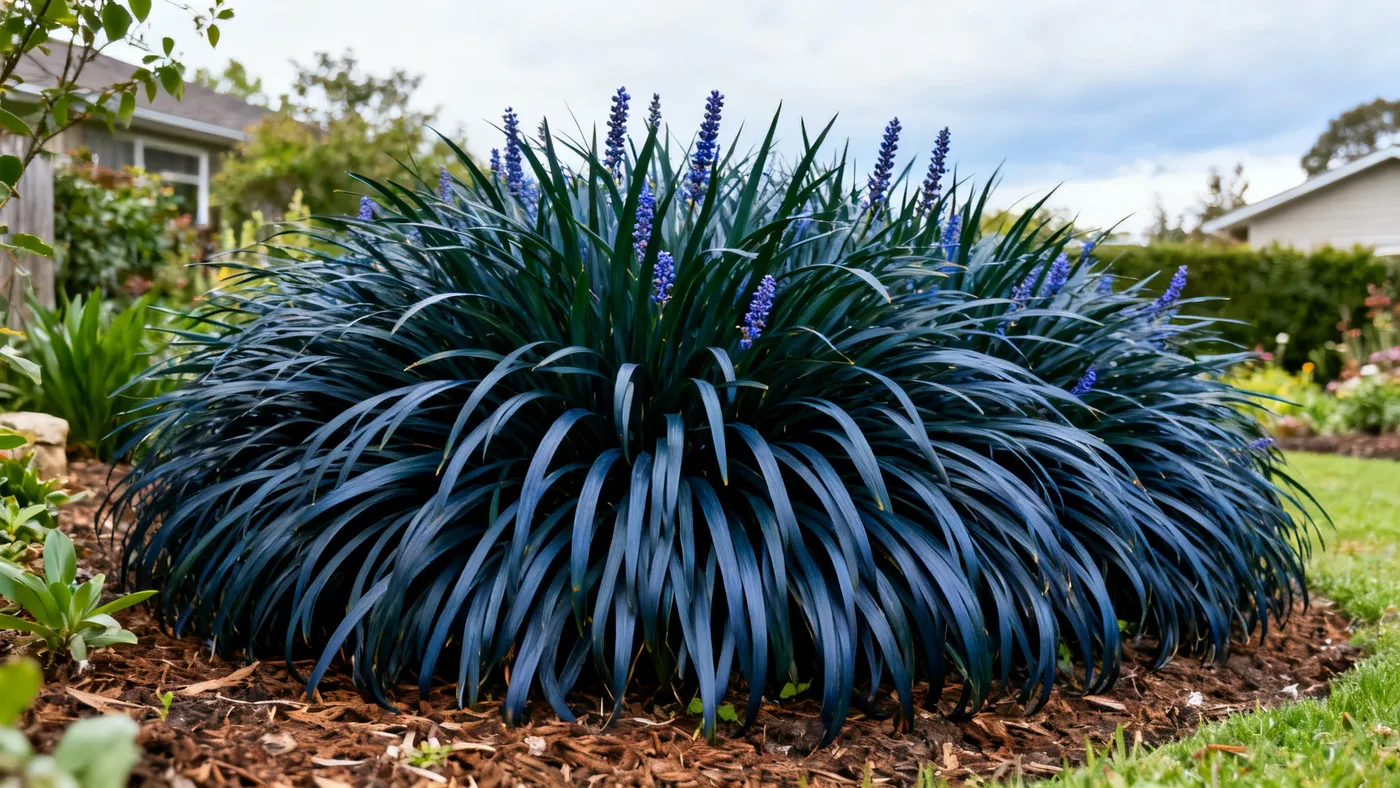
Big Blue Lilyturf Sun Requirements: Full Sun or Shade?
Understanding Big Blue Lilyturf's Light Needs
Big Blue Lilyturf (Liriope muscari 'Big Blue') is a forgiving perennial when it comes to light. The plant will grow in full sun, part shade, and even full shade. However, this adaptability can be misleading. Getting the light conditions right makes the difference between a plant that merely survives and one that thrives with dense foliage and reliable summer blooms.
The key takeaway: part shade produces the best foliage color and density. This means 3 to 6 hours of direct sunlight daily, or bright, filtered light for most of the day. In zones 5-6, where winters are harsher, slightly more sun helps the plant stay robust. In zones 7-10, afternoon shade in hot climates protects the foliage from bleaching and scorch. Knowing your local climate zone and your garden's specific light pattern allows you to place Big Blue Lilyturf where it will perform its best.
One common misconception: many gardeners assume a shade-tolerant plant prefers shade. Big Blue Lilyturf is shade-tolerant, not shade-loving. It will bloom and persist in shade, but flowering may be lighter and foliage less dense than in part shade. The question you should ask is not "Can it handle shade?" but "Where will it look and perform best in my garden?"
How to Assess Your Garden's Light Conditions
Before placing Big Blue Lilyturf, spend a few days observing your garden. Light conditions shift with the season and time of day, and what looks shaded in May will be sunnier in July. Follow these steps to get an accurate picture.
Step 1: Track sunlight throughout the day. Walk through the planting area at 9 am, noon, 3 pm, and 5 pm. Note which areas receive direct sunlight and which are in shade. Most of us plant in the morning and assume we know the light, but you may be surprised by how afternoon sun shifts across the space.
Step 2: Look for the type of shade. Shade under deciduous trees (like maples) changes seasonally. In spring and fall, when leaves are sparse, much more light reaches the ground. In summer, dense shade develops. Big Blue Lilyturf adapts to this kind of dappled shade well. Shade from a building or fence is permanent and more predictable. If you have only 2 to 3 hours of morning sun with afternoon shade from a building, that can work, though foliage may be less dense than in 4 to 6 hours of indirect light.
Step 3: Consider your USDA zone. If you are in zones 5-6, your plant needs more light to stay vigorous through winter. Aim for at least 4 to 6 hours of sun. In zones 7-10, where the plant is evergreen year-round, you have more flexibility. Afternoon shade becomes an asset in hot climates, where direct sun in July and August can cause leaf bleaching.
Step 4: Check for moisture patterns. Shaded areas often retain moisture longer. Big Blue Lilyturf tolerates average water and is drought-tolerant once established, typically within one growing season. However, soggy soil is a risk, especially in shade where water doesn't evaporate as quickly. If your shaded area stays wet, you may need to improve drainage before planting.
Step-by-Step Guide to Placing Big Blue Lilyturf for Optimal Light
Materials and Preparation You'll Need
- A notebook or phone to record light observations over several days
- A ruler or measuring tape (to assess mature height and spacing)
- A soil moisture meter or your finger (to check drainage in shade areas)
- Big Blue Lilyturf plants (typically sold in quart, #1, or #3 containers)
- Well-drained soil or soil amendment if planting in heavy clay
- Water source for establishment watering
Numbered Steps
Step 1: Map your garden's light zones. Divide your garden into three categories: full sun (6 or more hours of direct sun), part shade (3 to 6 hours), and full shade (less than 3 hours). Use stakes or flags if you are working with a larger bed. Big Blue Lilyturf thrives in part shade but will perform adequately in the other two zones if other conditions are right. If you are in zones 5-6, weight your choice toward the part-shade areas.
Step 2: Prepare the site. Clear weeds and debris. In shade areas, check drainage by observing whether water pools after rain. If your soil is dense clay and tends to stay wet, consider raised bed options or amend the soil with compost to improve drainage. Big Blue Lilyturf tolerates average, well-drained soil and adapts to roughly neutral pH around 6.0 to 7.0. You do not need to enrich the soil heavily; the plant tolerates lean conditions.
Step 3: Choose your planting location within the light zones you identified. If you have a part-shade area that drains reasonably well and gets 4 to 6 hours of morning or filtered sunlight, this is your ideal site. The plant will form a dense, 12- to 18-inch clump with good foliage color. If you only have full sun or full shade available, use full sun for zones 5-6 and part shade or afternoon-shade locations in zones 8-10 to reduce leaf scorch.
Step 4: Space plants appropriately. Big Blue Lilyturf spreads slowly via short rhizomes, reaching a mature width of 12 to 18 inches per clump. For mass plantings or borders, space plants 12 to 18 inches apart. This spacing allows the plants to fill in naturally over 2 to 3 years without overcrowding. If you are unsure of spacing in your design, wider spacing (18 inches) is better than closer spacing, as the plants will fill in as they mature.
Step 5: Plant in spring or fall, not mid-summer. These seasons avoid peak heat stress during establishment. Plant in spring if you are in zones 5-6 to give the plant a full growing season before winter. Fall planting works well in zones 7-10. Dig a hole slightly larger than the root ball, set the plant at the same depth it was in its container, backfill with soil, and water thoroughly. Water regularly for the first growing season (roughly 12 months) to help the plant establish roots. Once established, Big Blue Lilyturf is drought-tolerant.
Step 6: Monitor performance through the first year. By mid to late summer of your first year, Big Blue Lilyturf should begin flowering. Expect violet-purple flower spikes rising above the foliage, typically in July and August (timing varies by region). Foliage should be dark green and dense. If foliage looks pale or bleached in full sun, or sparse and thin in full shade, note this for future reference. Adjust watering if the plant appears stressed.
Common Mistakes to Avoid
Planting in too much direct sun in hot climates. In zones 8-10 with intense afternoon sun, leaf bleaching and scorch can occur. If your only option is full sun, choose a location where the plant gets morning sun and afternoon shade. A location on the east side of a building, receiving 4 to 6 hours of morning sun, often works better than a hot, west-facing spot.
Assuming shade means waterlogged soil. Shade and poor drainage are not the same thing. A shaded area with good drainage is fine. However, if your shaded planting area stays soggy, the plant risks crown rot and root rot. If drainage is poor, improve it before planting or choose a sunnier, better-draining location.
Underestimating light needs in colder zones. In zones 5-6, where Big Blue Lilyturf may die back or brown in harsh winters, the plant benefits from more light. Avoid planting in dense shade if you are in a colder zone. Aim for at least part shade or a lighter, sunnier location.
Expecting full density in full shade. The plant will survive and grow in full shade, but foliage will be thinner and blooms lighter. If maximum foliage density and reliable flowering are your goals, do not settle for full shade unless it is your only option.
Tips for Optimizing Light Exposure
Use Big Blue Lilyturf as an underplanting beneath trees with light shade patterns. Trees like crabapples or flowering cherries admit dappled light in summer while allowing spring sun through bare branches. This combination takes advantage of the plant's part-shade preference.
If you are planting near a south-facing fence, place the plant on the north side of the fence where it receives reflected light but less intense direct sun. This often gives the best balance for zones 8-10.
In borders and edging, Big Blue Lilyturf's 12- to 18-inch height and arching foliage work well in part shade along shaded pathways. The dark green color remains vibrant, and summer flowers provide color without bleaching.
For container planting, choose a location with morning sun and afternoon shade if you are in zones 7-10. Containers warm up quickly in full sun, and soil can dry out faster, offsetting the plant's drought tolerance. Part-shade positioning extends watering intervals and keeps foliage fresher-looking.
Expected Results by Light Condition
In part shade with adequate drainage and water during establishment, expect dense, dark green foliage forming a full 12- to 18-inch clump by year two. Violet-purple flower spikes should appear reliably each mid to late summer. Foliage may show subtle color variation but will remain predominantly dark green year-round in zones 7-10.
In full sun, foliage may be slightly lighter in color and less dense, especially in zones 8-10 where leaf bleaching can occur. The plant still blooms, but flowering may be lighter. In zones 5-6, full sun often produces a sturdier, more winter-hardy plant.
In full shade, the plant persists and slowly spreads but develops thinner foliage. Flowering is typically lighter. The plant may not achieve the dense, lush appearance described in nursery descriptions.
Caring for Light-Related Issues
If you notice leaf bleaching or brown tips in summer sun, increase afternoon shade by installing a shade cloth or moving the plant to a more protected location. Alternatively, water more frequently during hot spells, as stressed plants show scorch more readily.
If foliage looks thin and pale in shade, gradually move the plant to a brighter location if possible, or prune back old foliage in late winter to encourage fresh growth. Thinning happens slowly, so observe the plant over a full growing season before deciding shade is unsuitable.
For more comprehensive care guidance, including soil preparation, watering schedules, and pruning, refer to the Big Blue Lilyturf care guide.
Quick Reference: Big Blue Lilyturf Sun and Shade Guide
| Light Condition | Hours of Direct Sun | Best for Which Zones | Expected Foliage Density | Bloom Reliability | Notes |
|---|---|---|---|---|---|
| Full Sun | 6+ hours | Zones 5-6 (ideal), Zones 7-10 (use with afternoon shade in hot climates) | Good to moderate | Reliable | Risk of leaf bleaching in zones 8-10; check soil drainage |
| Part Shade (Dappled Light) | 3-6 hours | All zones (ideal for Zones 7-10) | Dense, vibrant | Reliable and full | Best color and density; tolerates morning or filtered sun |
| Full Shade | Less than 3 hours | Zones 7-10 only; avoid in Zones 5-6 | Thin to moderate | Light to sparse | Plant survives but does not reach full potential; choose only if other light unavailable |
| Afternoon Shade (Morning Sun) | 3-4 hours morning | All zones (ideal for hot climates) | Dense | Reliable | Protects from leaf scorch; east-facing locations recommended |