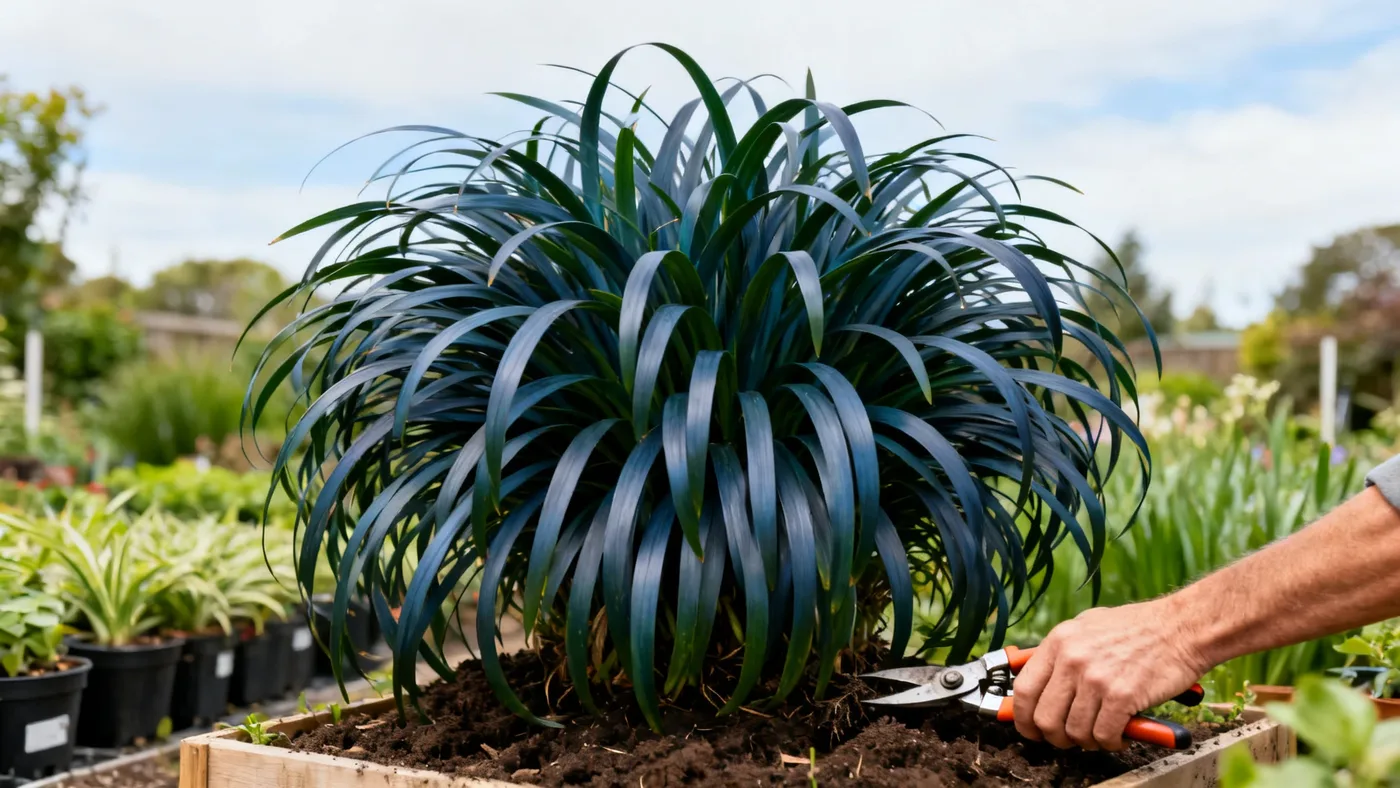
When and How to Cut Back Big Blue Lilyturf the Right Way
Big Blue Lilyturf is a low-maintenance perennial that looks good for most of the year, but a few minutes of work in late winter can make a significant difference in how vigorous and attractive your plants look come spring. Cutting back this evergreen groundcover removes the old foliage that may have browned or bleached during winter, clearing the way for fresh new growth.
Why Cut Back Big Blue Lilyturf
Big Blue Lilyturf grows as dense clumps of dark green, arching, strap-like leaves. In milder regions (zones 7-10), the foliage stays fully green and attractive year-round. In colder zones (5-6), the foliage often browns or bleaches after hard freezes, which can look shabby even though the plant itself is healthy and will recover.
Cutting back in late winter or early spring before new growth emerges serves three purposes. First, it removes any discolored or damaged foliage from winter weather. Second, it opens up the center of the clump, allowing new shoots to emerge unimpeded and giving you a denser, tidier plant. Third, it reduces disease pressure by removing old leaf material where fungi can overwinter. A cutback is not strictly required every year, but the improvement in appearance and plant vigor makes it worth doing at least every other year on established clumps.
When to Cut Back: Timing by Zone
Timing matters more than most people realize. You want to cut back after the worst winter weather has passed but before the plant starts actively growing.
In zones 7-10, Big Blue Lilyturf stays mostly green through winter, but old foliage can still accumulate. Cut back in late February or early March, roughly 4 to 6 weeks before the soil warms up and new growth accelerates.
In zones 5-6, foliage often browns significantly or dies back partway. Wait until late March or early April, after the last hard frost has passed. Cutting too early exposes tender new growth to late freezes.
A good rule: wait until you see the first small green shoots poking through the old foliage, or when daytime temperatures consistently reach the 50s°F. At that point, the plant is waking up and ready to push out new leaves fast.
What You'll Need
The beauty of cutting back Big Blue Lilyturf is that you do not need special equipment. Choose whichever tool you already have on hand and feel comfortable using.
- Hedge shears or hand pruners (for small to medium clumps or for trimming edges precisely)
- Rotary mower or string trimmer (for larger plantings or mass borders)
- Leaf blower or rake (to clear away clippings)
- Heavy work gloves (optional, but strap-like foliage can be tough on hands)
- Trash bags or a tarp (to collect and remove clippings)
If you have only a handful of clumps, hand shears are fastest and let you see what you are doing. If you have a long border or mass planting, a mower or string trimmer cuts the job from minutes to seconds per plant.
How to Cut Back Big Blue Lilyturf: Step-by-Step
Step 1: Assess Your Plants
Walk around and look at your clumps. If the foliage is still mostly green and has no visible brown or bleached patches, you can skip cutting back that year. A healthy, green clump does not need to be cut. If you see significant browning, thinning, or dead-looking foliage, proceed with the cutback.
Step 2: Cut to a Height of 2 to 4 Inches
Set your hedge shears, mower, or string trimmer to cut the foliage down to approximately 2 to 4 inches above ground level. This low cut removes all the old foliage while leaving enough green base to protect the growing points and crown from any late frost.
Do not scalp it to bare ground. You want to leave enough stubble that you can see where the plant is and where new growth is emerging. A 3-inch height is a reliable target for most gardeners.
Step 3: Make One Pass Over the Entire Clump
Work methodically. If using hand shears, grip bunches of foliage and cut cleanly. If using a mower or string trimmer, make a single pass over each clump at a consistent height. Speed is fine; precision is not critical because the new growth will fill in evenly regardless of small variations in the cut height.
For a clump that matures to about 12-18 inches wide, a few seconds per plant is all you need.
Step 4: Clear Away the Clippings
Rake or blow the cut foliage away from the clump. This step is more important than many gardeners think. A pile of wet, decomposing clippings sitting on top of the crown can trap moisture and increase the risk of rot, particularly if you have clay soil or humid springs. Clear air circulation around the base is healthy.
You can add the clippings to your compost pile, though they decompose slowly. Many gardeners bag them for curbside pickup instead.
Step 5: Water Lightly if Soil is Dry
If your area has had little winter or early spring rain and the soil feels dry when you press it, water the clumps lightly after cutting. This helps the plant recover and sends a signal to push new growth. You do not need to drench; a soaking of 1 to 2 inches of water over the next few days is plenty. Established Big Blue Lilyturf is drought tolerant once it roots in, but a little water after a hard pruning supports a quicker recovery.
Tips for Best Results
- Cut before growth starts, not after. Once the new shoots are up 2 to 3 inches, you risk damaging them with the mower or shears. The 2-4 week window between winter's end and active spring growth is ideal.
- Do not fertilize right after cutting. Let the plant recover for 3 to 4 weeks, then apply a light feeding of general-purpose or slow-release fertilizer in mid-spring if you wish. Big Blue Lilyturf tolerates lean soil, so fertilizing is entirely optional.
- Clean your tools. A quick wipe of your shears or mower with a cloth removes plant debris and keeps rust at bay. This takes 30 seconds and extends tool life.
- Cut in calm, dry weather. Cutting on a breezy day means clippings blow everywhere. Cutting after rain leaves you with heavy, wet clippings that are harder to clean up.
- In zones 5-6, leave foliage on marginal plants. If a clump is in a particularly cold, exposed spot or was damaged hard the previous winter, you might skip the cutback that year and let the old foliage provide some winter protection. It looks less neat, but it can save marginally hardy plants in severe zones.
Common Mistakes to Avoid
Cutting too early in winter: In zones 5-6, cutting in January or February exposes tender new growth to late hard freezes. Wait until you see small shoots emerging or until late March at the earliest.
Leaving clippings piled on the crown: Wet foliage sitting on top of the plant rots and can introduce disease. Always rake or blow clippings away.
Cutting too short: Cutting below 2 inches leaves little green tissue to protect the growing points. In cold zones, this can damage the crown if a late frost follows. Aim for 2 to 4 inches.
Confusing Big Blue Lilyturf with creeping lilyturf: Creeping lilyturf (Liriope spicata) spreads aggressively and is much harder to control. Big Blue (Liriope muscari 'Big Blue') clump-forms and stays in place, so a single cutback affects just that clump. If you are managing a mixed border or large landscape, make sure you know which lilyturf you have before cutting.
Cutting without looking: If your plant is still actively growing or showing fresh green foliage throughout, skip the cutback. Not every clump needs cutting every year.
What to Expect After Cutting
After you cut back Big Blue Lilyturf, the clump will look bare and low to the ground for about 2 to 3 weeks. This is normal and not a sign that you have harmed the plant. By mid-April (in zones 7-10) or early May (in zones 5-6), new foliage will begin emerging. The clump will fill in quickly. By early summer, the plant will have fully recovered and will look fuller and more attractive than before you cut it.
The plant will still bloom on schedule in mid to late summer, producing violet-purple flower spikes that rise slightly above the foliage. The berries that follow will persist into winter, adding texture and interest. For more details on the full care routine, see our Big Blue Lilyturf care guide.
Quick Reference: Cutback Checklist
| Task | Timing | Details |
|---|---|---|
| Check foliage condition | Late winter | Look for brown, bleached, or thinning leaves. Skip if mostly green. |
| Cut to 2-4 inches | Late Feb-Mar (zones 7-10); Late Mar-Apr (zones 5-6) | Use shears, mower, or string trimmer. One pass per clump. |
| Clear clippings | Same day | Rake or blow away. Do not leave piled on crown. |
| Water if needed | Within a few days | Light watering if soil is dry. Optional on most sites. |
| Wait for growth | 2-3 weeks | New foliage emerges and fills in. Plant recovers by summer. |