Winter Care for Big Blue Lilyturf in Cold Climates
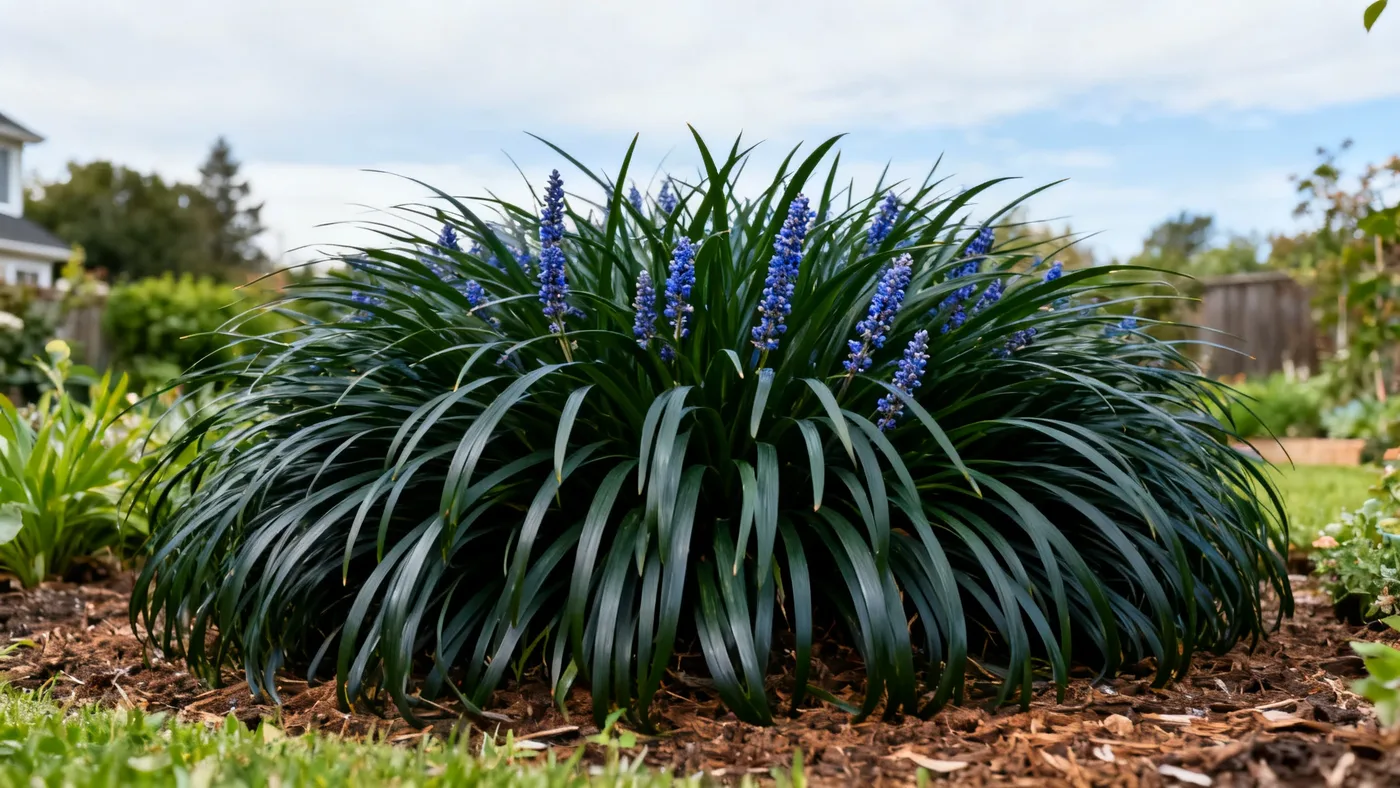
Big Blue Lilyturf is an evergreen perennial that brings structure and dark foliage to the winter garden, but in colder regions, cold protection and timing matter. While this plant thrives in zones 7-10 as a true evergreen, gardeners in zones 5 and 6 need a different approach. Understanding what happens to Liriope muscari 'Big Blue' when temperatures drop lets you protect it, minimize winter browning, and help it bounce back strong in spring.
Understanding Big Blue Lilyturf in Zones 5 and 6
Big Blue Lilyturf is rated for USDA zones 5-10, but cold tolerance varies by region. In zones 7-10, the foliage stays green and attractive year-round. In zones 5-6, the plant is technically evergreen, yet harsh winters often turn the foliage bronze or brown.
This browning is not always death. The clump's underground rhizomes and crown typically survive, even when the visible leaves lose color or die back completely. Come spring, new growth emerges from the base and the plant recovers. That said, knowing whether to protect the foliage or cut it back, and when to do each, separates a tidy recovery from a ragged one.
Black berry clusters, which form after mid to late summer blooms, persist into winter and add winter interest regardless of foliage color.
Materials and Tools Needed
- Garden pruner or hedge trimmer (hand or power)
- Mulch (2-3 inches): shredded bark, compost, or straw
- Rake or leaf blower (to clear debris around plants before mulching)
- Measuring tape (optional, to track plant height before and after pruning)
- Work gloves
- Optional: burlap or frost cloth for extra protection on exposed plantings
Step-by-Step Winter Care Instructions
Step 1: Monitor Fall Temperatures (September-October)
Watch your local forecast as temperatures begin to drop in early fall. Big Blue Lilyturf continues to grow and bloom through mid to late summer, roughly July-August. After bloom, the plant's energy shifts to storing reserves in the rhizomes below ground.
By late October or early November, depending on your zone, frost will arrive. Before the first hard freeze, clear fallen leaves and debris from around the base of each clump to prevent rot and make winter cleanup easier later.
Step 2: Cut Back Old Foliage in Late Winter or Early Spring (February-March)
The key to Big Blue Lilyturf winter care is timing the pruning cut. Do not cut back in fall. Instead, wait until late winter or very early spring, roughly February or March in zones 5-6, just before new growth emerges.
Use a hedge trimmer or sharp pruner to cut the entire clump down to 2-4 inches above the soil line. Some gardeners mow over their plantings with a mulching mower set to a high setting. The goal is to remove all dead or browned foliage while leaving the crown and rhizomes intact underground.
For mass plantings, this pruning is not required annually but improves appearance and reduces disease risk. Single specimen plants benefit from yearly cleanup.
Step 3: Apply Mulch (November-December and Refresh in Spring)
After the first hard freeze, apply a 2-3 inch layer of mulch around each clump. Keep the mulch 2-3 inches away from the crown to prevent rot. Mulch insulates the shallow root system and rhizomes, buffering temperature swings and protecting against frost heave.
In zones 5-6, this layer helps prevent excessive browning by moderating soil temperature fluctuations. Shredded bark and compost are ideal; straw also works but may introduce weed seed.
Refresh mulch in early spring if it has settled or broken down. After new growth appears in spring, pull mulch back slightly so it does not smother emerging leaves.
Step 4: Handle Winter Browning (December-February)
If foliage browns or turns grey-bronze despite your efforts, this is not a failure. In zones 5-6, winter browning is common and expected. The plant is not dead; it is dormant with discolored foliage above ground and living tissue below.
Do not panic or remove the brown foliage in mid-winter. Leave it in place as insulation. The dead leaves and stems protect the crown from extreme cold and help stabilize the clump. Remove everything in late winter or early spring when you do your routine pruning cut.
Step 5: Spring Cleanup and Mulch Adjustment (March-April)
Once new green growth appears at the base of the clump (typically late March to mid-April in zones 5-6), finish pruning if you have not already. Remove any remaining brown foliage, rake away old mulch and debris, and apply fresh mulch 2-3 inches deep, staying back from the crown.
Water the clump lightly if spring is dry. Big Blue Lilyturf is drought tolerant once established, roughly after one growing season in the ground, so avoid overwatering in spring. Overwatering can lead to root rot, especially if drainage is poor.
Tips for Success
Choose well-drained sites. The single biggest threat to Big Blue Lilyturf in winter is soggy soil, not cold. Adaptable to average, well-drained soil including clay, the plant tolerates poor drainage better than most, but standing water invites crown rot. If your site tends to stay wet, mound the soil slightly or amend with compost to improve drainage.
Do not cut back in fall. Cutting foliage in September or October removes the plant's natural insulation and can trigger new tender growth that freezes. Let the plant prepare itself. Late winter or early spring is always the right time.
Avoid heavy clay mulch against the crown. Wood chips and compost are fine; clay-rich soil piled against the base promotes rot. Keep a 2-3 inch air gap around the base of the clump.
Expect the unexpected. Late-spring freezes after new growth has emerged can scorch fresh leaves. This setback rarely kills the plant; it simply delays bloom by a few weeks. The plant will produce new foliage.
Space plantings 12-18 inches apart for mass effect. Proper spacing ensures air circulation and faster mulch breakdown, reducing moisture retention and rot risk in dense plantings.
Common Mistakes to Avoid
Cutting back too early. Pruning in fall or early winter removes insulation and can kill or severely damage the crown if harsh weather follows. Wait for late winter growth signals.
Overwatering in winter or spring. Even drought-tolerant plants can rot in waterlogged soil. If winter snow or rain is heavy, do not add supplemental water until new growth appears and demands it.
Mistaking browning for death. Bronze or brown foliage in zones 5-6 is normal winter dormancy, not plant death. If the crown is firm and moist (not mushy) when you dig gently, the plant will recover. Only mushy, foul-smelling tissue indicates rot.
Using bark mulch with heavy nitrogen. Some mulches break down quickly and generate heat as they decompose. Choose aged, composted bark or coarse shredded hardwood to avoid encouraging rot or softening the crown prematurely.
Expected Results by Zone
Zones 7-10. Foliage remains green and attractive year-round. Winter pruning is optional; many gardeners skip it or do a light cleanup for neatness. The plant requires minimal winter care beyond a light mulch to conserve moisture.
Zones 5-6. Expect foliage to bronze, brown, or die back in hard freezes. This is normal. With proper mulching and timing, the clump recovers fully by late spring. New growth will be dense and full-sized by mid-summer. The plant may bloom slightly later than zone 7-10 plantings, roughly August instead of July-August.
Recovery timeline in zones 5-6: New shoots emerge 4-6 weeks after late-winter pruning (roughly April-May). Dense foliage re-establishes by early summer. First blooms appear mid to late summer. By year two and beyond, the clump continues to expand slowly a few inches per year via short rhizomes.
Reference and Further Reading
For year-round care details, companion planting ideas, and guidance on sun, soil, and watering through the growing season, see our Big Blue Lilyturf care guide.
Quick Winter Care Checklist
| Task | Timing | Zones 5-6 | Zones 7-10 |
|---|---|---|---|
| Clear debris around clump | September-October | Yes | Optional |
| Apply 2-3 inch mulch layer | November-December | Yes | Light mulch only |
| Monitor for browning | December-February | Expected; do not remove | Unlikely; monitor soil moisture |
| Prune back to 2-4 inches | Late February-March | Yes, recommended | Optional for neatness |
| Refresh mulch and pull back from crown | March-April | Yes | Optional |
| Water lightly if dry | April onwards | Only if no spring rain | Rarely needed; drought tolerant once established |