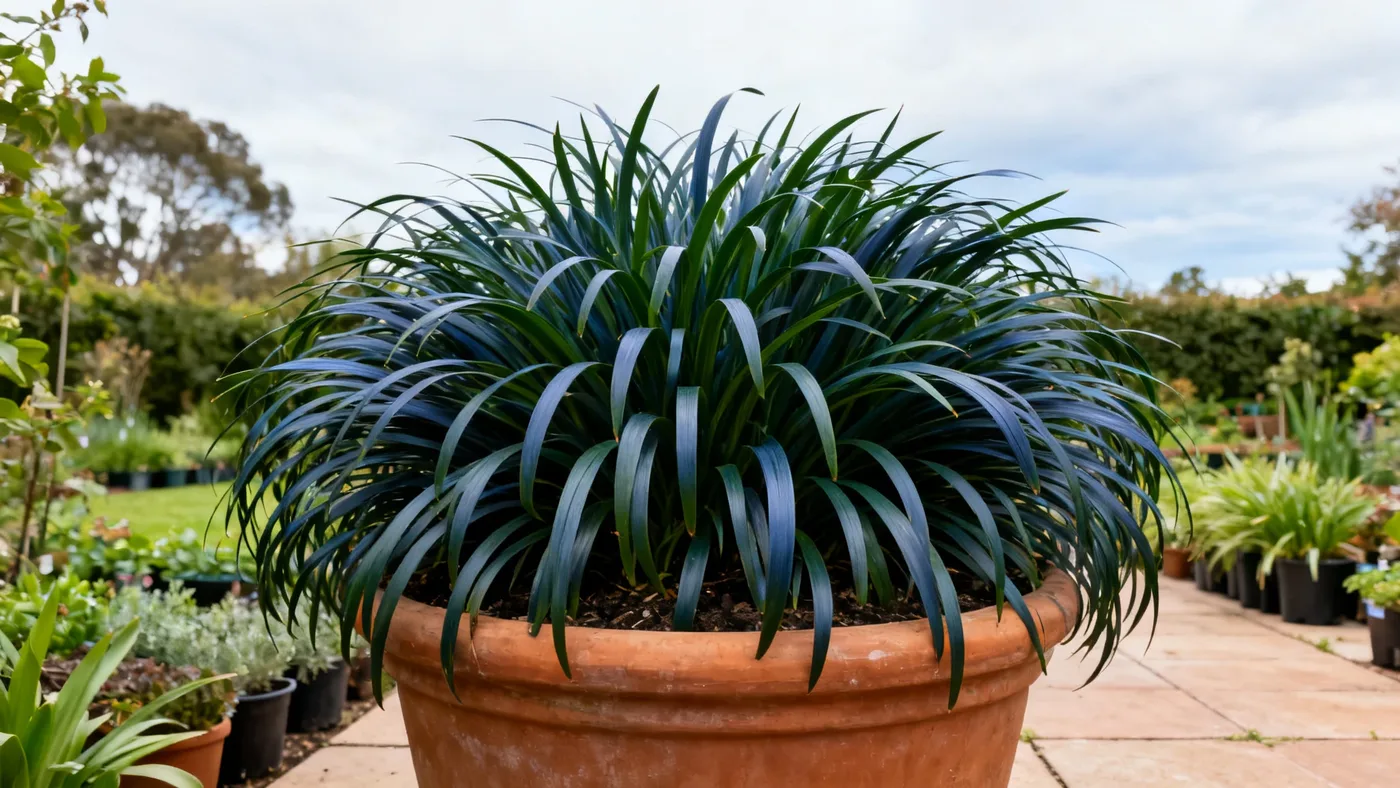
Big Blue Lilyturf Buying Guide: Pots, Sizes and What to Look For
Whether you're designing a border for a small residential garden or planning a mass planting for a commercial landscape, buying the right Big Blue Lilyturf means understanding what nurseries offer, recognizing quality, and timing your purchase for success. This guide walks you through container types, what to inspect before buying, and how to get healthy, vigorous plants that establish quickly.
Understanding Container Sizes and Plant Options
Nursery-grown Big Blue Lilyturf is typically sold in three standard container sizes, each serving different budget and timeline needs.
Quart containers are the most economical option. A quart-size Liriope muscari 'Big Blue' gives you a young, fully rooted plant ready to establish in your garden. These are ideal when you're buying in volume for large borders or mass plantings. At purchase, the plant will mature to 12-18 inches in foliage width over 2-3 years, so spacing matters more than immediate coverage.
#1 containers (also called one-gallon pots) offer a middle ground. The plant is more developed than a quart size, with denser foliage and a more established root system. You'll get faster visible results, especially in the first season after planting. These work well for smaller projects, containers, or when you want to minimize the time before your planting looks established.
#3 containers (three-gallon) represent the premium option. These larger specimens are semi-mature, often with multiple clumps or divisions per pot. A #3 Big Blue Lilyturf will provide nearly full-size coverage much faster than smaller sizes, sometimes appearing mature within the first growing season. Choose this size for design-focused projects, container gardening, or when immediate landscape impact matters.
Big Blue Lilyturf Plugs vs. Pots: Key Differences
Beyond traditional containers, some growers and retailers offer Lilyturf plugs, which are small rooted plants typically grown in cell trays. Understanding when to use each type affects both cost and establishment success.
Plugs are the budget option for large-scale projects. A single plug costs less than a quart container, and when you're buying hundreds or thousands, that adds up quickly. Plugs work best for mass plantings where 12-18 inch spacing is planned. Because Big Blue Lilyturf spreads slowly via short rhizomes and matures at 12-18 inches wide per clump, spacing plugs correctly means they'll fill in to create a seamless border or groundcover over 2-3 years. The downside: bare-ground appearance for the first season and higher labor for installation.
Potted plants (quart or larger) deliver faster results. Larger, more developed root systems mean better first-year establishment, particularly if you're planting in spring or fall outside peak summer heat. Potted plants also recover more quickly from transplant shock. For projects where appearance matters immediately, or where establishment conditions may be less than ideal, pots justify their higher cost.
A hybrid approach: buy a mix of sizes. Use #1 or #3 containers as focal points or edging, then fill larger areas with more economical quarts or plugs. This balances budget with visual impact.
Quality Indicators: What to Look For When Buying
Not all plants marketed as Big Blue Lilyturf are equal. Before you buy, inspect for signs of health and vigor that predict establishment success.
Foliage color and density matter first. Healthy Big Blue Lilyturf has dark green, arching, strap-like leaves that form a dense mound. If the plant looks sparse or pale, it may have been over-watered, under-watered, or held in poor light. Avoid any with yellowing foliage or brown, papery edges, which can indicate root stress or environmental damage. In colder zones (5-6), some winter foliage browning is normal on established plants, but a nursery plant should not show this.
Check the root system. If the pot allows inspection from below, look for light-colored roots emerging from drainage holes. This signals active growth. Avoid plants with thick, woody roots circling the pot excessively, as this suggests the plant has been in that container too long. Similarly, avoid pots that pull free easily (indicating the plant isn't rooted), or ones where the soil is completely saturated and smells sour or musty. These are signs of root rot, a disease that kills Liriope in poorly drained soil.
Pest and disease presence is a deal-breaker. Inspect the undersides of leaves for tiny, immobile bumps (scale insects), or sticky residue (a sign of scale or other sap-sucking pests). These weaken the plant and take weeks to control. Similarly, look for any fungal spotting, which can indicate anthracnose, especially if the nursery has overhead watering in humid conditions. Skip any plant showing these signs.
Press the foliage gently. It should feel firm and spring back. Wilted or drooping leaves suggest the plant is drought-stressed, which is recoverable in a day or two post-planting, but not ideal. A healthy purchase should show vigor immediately.
Container Considerations for Your Project
The right container size depends on your goals and timeline.
For mixed borders or edging small areas, quart-size Big Blue Lilyturf is practical and economical. Plan for 12-18 inch spacing between plants and expect 2-3 years for full maturity. This works when you have time to let the planting develop and when budget is constrained.
For medium projects (100-500 square feet), #1 containers split the difference. They cost more than quarts but establish faster, and labor is lower since you're planting fewer individual plants at 12-18 inch intervals. Expect visual fullness in the second season.
Reserve #3 containers for high-visibility areas, specimen uses, or when immediate coverage is required. A single #3 plant can fill space that six to eight quart containers would occupy over time. For container gardening, #1 is ideal (Big Blue Lilyturf works beautifully as an edger in mixed pots), and #3 can stand alone in large containers.
Best Time to Buy Big Blue Lilyturf
Timing your purchase with the right planting season affects establishment rates and long-term success.
Spring and fall are optimal planting windows. Plan to buy Big Blue Lilyturf during these periods, typically March through May or August through October, depending on your zone. Both seasons provide moderate temperatures and adequate rainfall for root establishment. Spring planting allows the plant roughly 1 growing season to establish before winter stress in colder zones (5-6).
Avoid purchasing in peak summer heat. Liriope planted when temperatures are high experiences transplant shock and drought stress simultaneously. If summer planting is unavoidable, plan for daily watering the first 2-3 weeks, which increases labor and reduces survival rates, making quarts and plugs riskier than larger containers.
Late fall is acceptable in zones 7-10, where Big Blue Lilyturf remains evergreen year-round. In colder zones, very late-fall purchases risk winter foliage burn or crown damage before roots establish. If you're in zone 5-6, stick to spring or early fall.
Red Flags and What to Avoid
Some purchases will cost you more in replacement and headache than you save upfront.
Crown rot is a fatal fungal disease. If the base of the plant (the crown where stems emerge from soil) is mushy, dark, or smells foul, walk past it. Unlike leaf diseases, crown rot spreads easily in poorly drained soil and kills the entire plant. Never risk introducing this to your landscape.
Waterlogged soil that smells sour indicates root rot. You might revive a plant held too long in wet conditions, but it will waste weeks of establishment time. For the price difference, buy a healthier specimen.
Winter damage showing as dead stems or extensive browning on nursery stock suggests poor overwintering conditions at the grower. While some foliage die-back is normal in zones 5-6 on mature plants, a young plant for sale should not show this. It reduces first-year growth and vigor.
Unidentified cultivars or mislabeled plants are common. Verify you're actually buying 'Big Blue' (Liriope muscari 'Big Blue'), not creeping Lilyturf (Liriope spicata), which spreads aggressively and can become weedy. 'Big Blue' clumps slowly, staying contained. Check the label carefully.
Severely pot-bound plants with roots completely encircling the soil mass won't establish well, even if they look full. The roots have formed a barrier that's hard to break, slowing landscape establishment by months. Ask the nursery how long stock has been in containers.
Price Range and Value Assessment
Big Blue Lilyturf is affordably priced across all container sizes, but value isn't always the lowest price.
A quart-size plant typically costs less than #1, which costs less than #3. For a planting of 50 plants at 18-inch spacing covering roughly 600 square feet, the budget difference between all quarts and all #1 containers can be substantial. For some projects, that matters. For others, faster establishment justifies the cost.
The cheapest plant isn't the best value if it's stressed, diseased, or pot-bound. A slightly higher-priced, vigorous plant from a reputable nursery will establish faster and require fewer replacements. Factor in replanting labor and the cost of losing plants to poor establishment.
Seasonal pricing matters. Spring inventory is plentiful and prices often competitive. Late summer and fall may show price increases due to tighter supply, especially on larger containers. If budget is tight, time purchases for spring.
Where to Buy Big Blue Lilyturf
Healthy Big Blue Lilyturf for sale is available through multiple retail channels, each with tradeoffs.
Local and regional nurseries typically offer the broadest range of sizes and stock quality. Staff can answer questions about local growing conditions and often know whether plants have been grown on-site or sourced elsewhere. Inspect plants in person before buying, which is impossible online.
Garden centers and big-box retailers carry Big Blue Lilyturf seasonally. Inventory is usually adequate during spring and fall peak season but sparse outside these windows. Staff expertise varies. Inspect plants carefully, as higher turnover sometimes means better condition, but also occasionally neglected stock.
Online retailers and mail-order nurseries ship dormant or actively growing plants, depending on season. You can't inspect before purchase, so buy only from sellers with clear return policies and strong reviews. Shipping costs factor significantly into total price for heavy #3 containers. Compare total cost, not just plant price.
Specialty perennial growers often carry 'Big Blue' and other Liriope cultivars. These sources typically offer superior plant quality and cultivar accuracy. Prices reflect that, but you reduce replacement risk.
Check multiple sources. Local availability and pricing vary by region and season. Call ahead to confirm container sizes in stock before making the trip.
Quick Reference Checklist
| Buying Decision | What to Check | Green Flag | Red Flag |
|---|---|---|---|
| Foliage | Color and density | Dark green, dense, arching leaves | Pale, sparse, or brown-edged foliage |
| Roots | System development | Light-colored roots visible at base; firm soil | Circling roots, soggy soil, sour smell |
| Pests/Disease | Visible damage | No spots, bumps, or sticky residue | Scale, spotting, fungal signs, mushy crown |
| Vigor | Touch and flexibility | Firm foliage, springs back when pressed | Wilted, drooping, or brittle leaves |
| Container size | Match to budget and timeline | Quart for bulk; #1 for balance; #3 for immediate impact | Pot-bound plant; choose based on price alone |
| Timing | Planting window | Spring or fall purchase and planting | Peak summer heat; late fall in zones 5-6 |
| Cultivar | Label accuracy | Liriope muscari 'Big Blue' explicitly labeled | Unlabeled or mislabeled as creeping Lilyturf |
| Spacing (for design) | Plant count and layout | 12-18 inches apart for full coverage in 2-3 years | Crowding plants assumes faster maturity than realistic |
For planting guidance after purchase, see our Big Blue Lilyturf care guide for detailed instructions on site selection, soil prep, watering, and long-term management.