Big Blue Lilyturf vs Liriope Spicata: Which Should You Plant?
If you are comparing lilyturf options for your garden, you have likely encountered both Big Blue Lilyturf and Liriope spicata at your local nursery. At first glance, they look remarkably similar: grass-like foliage, purple flower spikes in mid to late summer, and adaptable growing conditions. But these two plants have drastically different growth habits, and choosing the wrong one can create years of headaches.
Understanding how liriope muscari differs from liriope spicata will help you avoid costly landscape mistakes. This guide compares the difference between Big Blue and creeping lilyturf side by side, so you can make an informed decision based on your climate zone, space constraints, and long-term landscape goals.
The Core Difference: Clumping vs Spreading
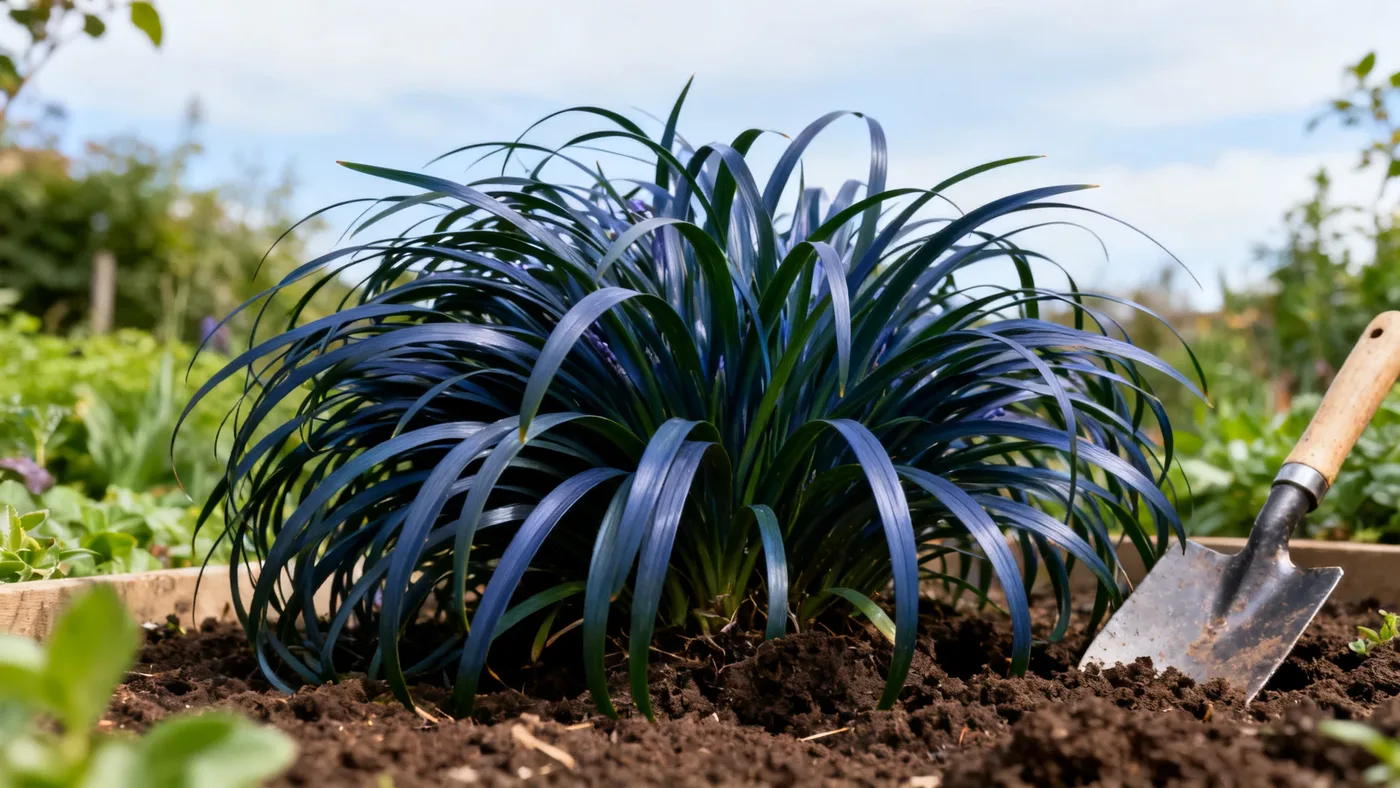
The fundamental distinction between these two plants comes down to growth habit. Big Blue Lilyturf is clump-forming. It spreads slowly via short rhizomes, expanding a few inches each year. After 2 to 3 years, you will have a fuller clump, but it stays largely in place. This predictability makes it ideal for borders, edging, and mixed plantings where you want precise control.
Liriope spicata is the aggressive counterpart. It spreads rapidly through longer rhizomes, sending up new shoots across wide areas. This fast expansion is why it earned the name "creeping lilyturf." In many regions, spicata has naturalized in disturbed landscapes and is classified as weedy or invasive. Once spicata establishes itself, controlling it requires sustained effort, often involving repeated digging, mowing, or chemical treatment.
For the big blue lilyturf vs liriope spicata decision, this growth-habit difference is usually the deciding factor. Control versus chaos. Predictability versus unpredictability.
Key Attributes Comparison
| Attribute | Big Blue Lilyturf | Liriope Spicata |
|---|---|---|
| Botanical Name | Liriope muscari 'Big Blue' | Liriope spicata |
| Growth Habit | Clump-forming | Aggressive spreading |
| Annual Spread | A few inches per year | Spreads rapidly and widely |
| USDA Zones | 5-10 | Check your local invasive list |
| Winter Behavior | Evergreen (zones 7-10); may brown in zones 5-6 | Varies by region |
| Mature Clump Size | 12-18 in. height and width | Spreads indefinitely |
| Spacing for Borders | 12-18 in. apart | Wider spacing; rapid fill-in |
| Invasive Status | Not invasive | Weedy/invasive in southeastern US |
| Maintenance Needs | Minimal; no containment required | High; frequent division or barriers needed |
| Lifespan | Long-lived perennial (10+ years) | Indefinite if kept contained |
Hardiness, Sun, and Soil Requirements
Both plants are remarkably similar when it comes to basic growing conditions. Big Blue Lilyturf thrives in USDA zones 5 through 10. In zones 7 through 10, it remains evergreen year-round. In zones 5 and 6, expect the foliage to die back or brown over winter, this is normal and not a sign of damage. The plant will return in spring.
Liriope spicata has similar hardiness across much of its range, though you should check your state or regional invasive plant list before planting it. This is especially important in the southeastern United States, where spicata has become a serious landscape pest.
Both species tolerate full sun to full shade, but both achieve the best foliage color and density in part shade. Both accept average, well-drained soil and tolerate clay well. Once established (roughly one growing season), both are drought-tolerant. Neither has significant fertilizer needs; both thrive in lean soil with a light spring application of balanced fertilizer.
So from a cultural standpoint, you could plant either in the same location and expect similar basic performance. The critical difference emerges in how they use that space over time.
Is Big Blue Lilyturf Invasive?
No. Big Blue Lilyturf is not considered invasive anywhere. Because it spreads slowly via short rhizomes and maintains a clump structure, it poses no ecological threat. You can plant it safely near forest edges, wetland areas, or conservation lands without concern that it will escape and disrupt native plant communities.
Liriope spicata is a different story. In the southeastern United States, spicata has become a genuine ecological problem. It has naturalized in disturbed areas, forests, and roadside embankments. Once established, it crowds out native groundcovers and wildflowers, and it is nearly impossible to eradicate. If you live in a region where spicata is listed as an invasive or weedy species, avoid it entirely, especially if your property adjoins natural areas or public land.
This difference alone answers the question: is big blue lilyturf invasive like spicata? Absolutely not.
Pros of Big Blue Lilyturf
- Reliable, predictable growth pattern that stays under control
- Excellent for borders, edging, and formal plantings
- Minimal ongoing maintenance; no need for containment strategies
- Not invasive; safe to plant near natural areas or sensitive landscapes
- Long-lived perennial that commonly persists 10 or more years
- Deer-resistant and tolerates typical garden pests well
- Adaptable to a wide range of sun and soil conditions
- Remains evergreen in milder zones for year-round interest
- Establishes in roughly one growing season
Cons of Big Blue Lilyturf
- Slower to fill in large areas compared to creeping lilyturf
- Takes 2 to 3 years to reach mature clump size (12-18 in. width)
- Foliage may brown or die back in harsh winters in zones 5-6
- Not ideal if you need fast groundcover coverage
Pros of Liriope Spicata
- Rapid coverage for large areas (in regions where it is not regulated as invasive)
- Spreads aggressively, so fewer initial plants are needed
- Equally adaptable to sun, shade, and soil conditions
- Same hardiness and drought tolerance as Big Blue
Cons of Liriope Spicata
- Classified as invasive or weedy in the southeastern United States
- Extremely difficult to control or eradicate once established
- Will escape designated planting areas and spread into surrounding landscapes
- Requires frequent division, barrier systems, or chemical suppression
- May crowd out or choke neighboring plants
- Poor choice if your property borders natural areas, forests, or wetlands
- Creates ecological risk in vulnerable regions
- Can naturalize beyond your property line
When to Choose Big Blue Lilyturf
Plant Big Blue Lilyturf if you want to edge a pathway, line a perennial border, or create a tidy, controlled groundcover under trees. Choose it if you live in zones 5 or 6 and want a plant that will remain reliably hardy through winter. Plant it if you value predictability and low maintenance over rapid fill-in. Use Big Blue if your property adjoins natural areas or if you want a landscape that will not escape its intended boundaries. Select it if you want to establish a long-lived perennial that improves and becomes fuller over time.
Big Blue Lilyturf is the standard choice for residential gardens. It is the clumping vs spreading liriope option that most gardeners and landscapers recommend.
When to Consider Liriope Spicata
Consider Liriope spicata only if all of these conditions are true: you live in a region where spicata is NOT listed as invasive or weedy, you need aggressive groundcover for a defined, contained area, you are willing to manage and divide it regularly, your property does not border natural areas or sensitive landscapes, and you can install physical or chemical containment barriers. Even then, most home gardeners find the management burden not worth the faster initial coverage.
For the difference between big blue and creeping lilyturf, the verdict is clear for most homeowners.
The Practical Verdict
If you are trying to decide between liriope muscari vs liriope spicata, choose Big Blue Lilyturf unless you have a very specific reason to choose otherwise. Big Blue offers control, predictability, and peace of mind. It plays well in mixed borders, serves as reliable edging, and stays within bounds. Liriope spicata offers speed at the cost of ongoing management and ecological risk.
The difference between Big Blue and creeping lilyturf ultimately comes down to this: one lets you relax, and one demands vigilance. Most gardeners prefer to relax.
To learn more about planting and maintaining Big Blue Lilyturf, see our full Big Blue Lilyturf care guide for detailed instructions on spacing, pruning, and seasonal care.
Quick Reference: Which Lilyturf Should You Plant?
| Question | Big Blue Lilyturf | Liriope Spicata |
|---|---|---|
| Spreads predictably in your zone? | Yes (a few inches per year) | No (rapid, uncontrolled) |
| Safe for wildlife areas or near natural landscape? | Yes (not invasive) | No (invasive in SE US) |
| Ideal for borders or edging? | Yes (excellent choice) | No (not recommended) |
| Low-maintenance once established? | Yes | No (requires management) |
| Hardy and reliable in zones 5-6? | Yes | Varies (check regional invasive list) |
| Stays within defined boundaries? | Yes (12-18 in. mature clumps) | No (spreads indefinitely) |
| Good for covering large areas quickly? | No (slow to moderate growth) | Yes (fast spread) |
| Better overall choice for home gardeners? | Yes | No (use only if absolutely necessary) |