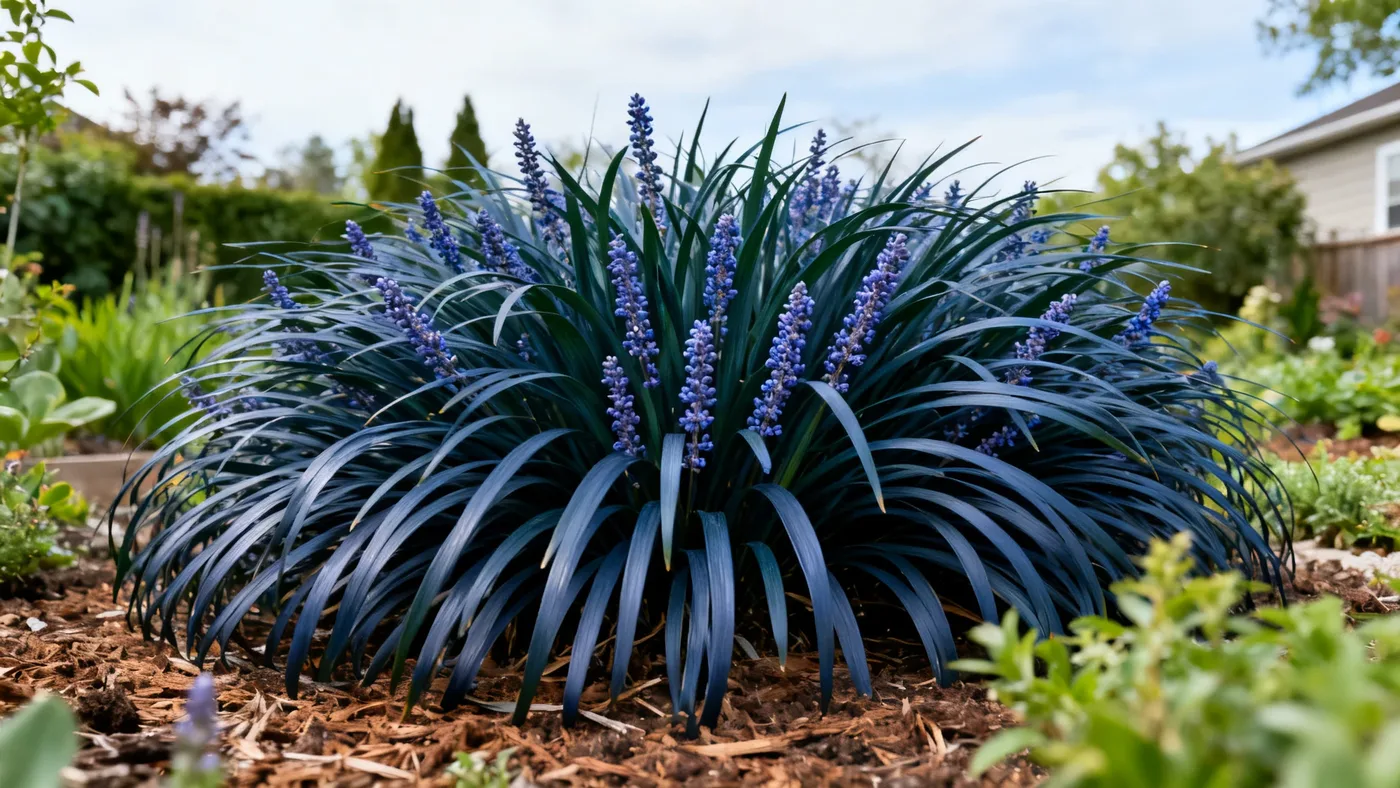
Is Big Blue Lilyturf Drought Tolerant? Heat and Dry Spell Guide
Yes, Big Blue Lilyturf is highly drought tolerant once established. This evergreen perennial (Liriope muscari 'Big Blue') thrives in zones 5-10 and develops impressive resilience to dry conditions after its first growing season. If you're looking for a groundcover that handles heat and dry spells without fussy watering schedules, Big Blue Lilyturf delivers. The key difference between struggling plants and thriving ones isn't the plant itself, it's understanding the crucial establishment window and how to set it up for success.
Understanding Big Blue Lilyturf's Water Needs in Summer
Big Blue Lilyturf is a drought tolerant groundcover that typically requires moderate to average water while actively growing in spring and early summer. Once the plant reaches maturity, it can handle extended dry periods. The plant's strap-like foliage and slow-to-moderate growth rate mean it doesn't demand constant moisture the way shallow-rooted plants do. Its natural tendency is to slowly spread via short rhizomes, building a denser clump year after year. This clumping habit (unlike the more aggressive spreading lilyturf species) keeps root systems compact and stable in the soil.
The critical number to remember: Big Blue Lilyturf reaches established status roughly 1 growing season after planting. This means a plant installed in spring will be drought tolerant by late summer or early fall of that same year. A fall planting will establish by mid-summer of the following year. After this point, the plant's ability to handle dry conditions increases dramatically because the root system has matured and deepened into the soil profile.
The Establishment Year: Why Watering Matters Most
New plants cannot yet be called drought tolerant, even if the cultivar is known for drying out once established. During the first growing season, newly planted Big Blue Lilyturf requires consistent moisture so the roots can develop downward into undisturbed soil. Young plants with shallow root systems are the most vulnerable to heat stress and wilting.
Water new transplants deeply at planting time, then monitor soil moisture in the top 2 inches. If the soil dries to the touch, water again. In peak summer heat (July and August in most zones), this might mean watering every 3 to 4 days, depending on your local rainfall, soil type, and sun exposure. As the season progresses and roots deepen, you can space watering sessions further apart. By late fall of that first year, most established plants need supplemental watering only during extended dry periods, not routine schedules.
One reliable way to check establishment: dig gently beside a plant (not damaging it) and feel the soil 4 to 6 inches down. If roots are present and the soil is moist, the plant is progressing well. If the root zone is dry and roots haven't yet penetrated that deep, continue regular watering.
Soil Preparation for Drought Tolerance
Big Blue Lilyturf adapts to average, well-drained soil and tolerates clay. The phrase "well-drained" is key to drought tolerance, because waterlogged soil prevents deep root growth and invites root rot in soggy conditions. Even though this plant tolerates clay, your best results come from loosening compacted clay and mixing in compost or aged leaves before planting, especially if your native soil is pure clay with little organic matter.
Add 2 to 3 inches of compost to the planting area and work it into the top 6 to 8 inches of soil. This improves water infiltration and allows roots to penetrate more easily. Well-amended soil also holds some moisture for the plant to access during dry spells, while still draining fast enough to prevent waterlogging. This balance is what separates drought-tolerant soil from either parched or soggy extremes.
Soil pH is adaptable. Big Blue Lilyturf performs well in slightly acidic to neutral soil, roughly 6.0 to 7.0 pH. Most home gardens fall into this range naturally, so you can skip a soil test for this plant unless your site is obviously alkaline or unusually acidic.
Sun Exposure and Heat Management
Big Blue Lilyturf's liriope muscari heat tolerance varies by light conditions. The plant grows in full sun to full shade, but heat stress is most likely in areas receiving intense, all-day direct sun combined with hot, dry soil. Leaf scorch or bleaching (light discoloration of foliage) sometimes appears on plants in full-sun sites during peak heat waves, especially before the root system is established.
Part shade (3 to 6 hours of direct sun daily) offers the best combination of heat tolerance and foliage color. In part shade, the plant produces denser foliage and richer green color compared to full-shade plantings, while the reduced sun intensity keeps leaf temperature lower during summer heat. This isn't a hard rule for drought tolerance, but it's a practical hedge against stress.
In zones 5 and 6, where winter is harsh, avoid planting in deep shade on the north side of buildings. Some foliage browning or die-back is normal in colder zones during winter, but full-shade locations are more likely to show brown foliage and slower spring recovery. Zones 7-10 can handle part to full shade without winter concerns.
Watering Big Blue Lilyturf in Summer Heat
Once Big Blue Lilyturf is drought tolerant (after the first full growing season), your watering schedule in summer changes dramatically. By mid-summer of year two and beyond, this groundcover needs supplemental water only if rainfall drops below 0.5 inches per week for more than 3 consecutive weeks. In most climates, this threshold is rarely reached in a typical summer.
The exception is container planting. Big Blue Lilyturf works well in mixed containers and as an edger, but pots dry out much faster than in-ground soil. Container plants need water when the top inch of potting mix feels dry, typically every 2 to 4 days in peak summer heat. In-ground plants, by contrast, rarely need hand-watering once established.
A simple test: feel the soil 4 inches down at the plant's base. If it's moist, skip watering. If it's dry and the plant shows no wilting, watering can still wait a few more days. Only actively wilting foliage signals urgent water need. Big Blue Lilyturf doesn't wilt dramatically the way some plants do, so don't assume a slightly relaxed appearance means the plant is desperate for water.
Spacing for Dense, Healthy Coverage
Plant Big Blue Lilyturf 12 to 18 inches apart for mass plantings and borders. This spacing is calculated based on the plant's mature width of 12 to 18 inches per clump. Closer spacing (12 inches) creates denser coverage more quickly but uses more plants. Wider spacing (18 inches) reduces upfront plant cost and allows each clump to develop its full spread, but coverage takes a season or two longer to fill.
In hot, dry sites, tighter spacing (closer to 12 inches) can actually help drought tolerance by increasing shade from neighboring plants, which lowers soil temperature and reduces evaporation around each clump. In cooler or shadier zones, standard 18-inch spacing works fine.
Fertilizing and Its Effect on Drought Tolerance
Big Blue Lilyturf tolerates lean soil and doesn't demand heavy feeding. Over-fertilizing can paradoxically reduce drought tolerance by forcing lush, leafy growth that demands more water and stresses the plant during dry spells. Apply a light application of general-purpose or slow-release fertilizer in spring, once new growth is visible. That single application usually carries the plant through the growing season.
If you amend your soil with compost at planting time, you may not need fertilizer at all for the first year. The compost releases nutrients slowly as it breaks down. Lean soil is not a problem for this plant; it's actually safer than rich soil when drought tolerance is your goal.
Tips for Success in Hot, Dry Climates
- Mulch strategically: A 1 to 2-inch layer of shredded bark or aged leaves around plants (not touching foliage) keeps soil cooler and reduces evaporation. Refresh mulch annually, and avoid piling it against the crown of the clump, which invites rot.
- Water deeply at planting: Soak the root ball and surrounding soil thoroughly when you install the plant. This eliminates air pockets and settles soil around roots.
- Plant in spring or fall: Avoid planting during peak summer heat. Spring and fall plantings establish faster because temperatures are mild and natural rainfall is often more reliable.
- Pair with other drought-tolerant companions: Hostas, ferns, astilbe, hellebores, and heuchera all coexist well with Big Blue Lilyturf and have similar moderate water needs. Grouping plants by water requirement makes irrigation simpler and more efficient.
- Use soaker hoses or drip irrigation: If hand-watering is impractical, install soaker hoses at planting time. This delivers water slowly to the root zone, minimizing runoff and reducing water waste by up to 50% compared to overhead sprinklers.
Common Mistakes to Avoid
- Overwatering new plants: Soggy soil in the first few weeks invites crown rot and root rot. Water when the top 2 inches dry out, not on a fixed schedule.
- Ignoring establishment timing: Treating a newly planted Big Blue Lilyturf as drought tolerant in its first summer leads to wilting and shallow root systems. Patient watering for one season pays dividends in year two and beyond.
- Planting in waterlogged sites: Even a drought-tolerant plant will rot in clay soil with poor drainage and no amendments. Amend heavy clay before planting, or choose a different location.
- Failing to space plants properly: Crowding plants closer than 12 inches reduces air circulation, which encourages fungal diseases and weakens individual clumps.
- Fertilizing heavily: Rich feeding produces soft, thirsty growth. Light feeding in spring is all this plant needs.
- Cutting back at the wrong time: Cut back old foliage to a few inches in late winter or early spring before new growth emerges. Cutting in late summer or fall stresses plants before dormancy.
Expected Results
After one full growing season, established Big Blue Lilyturf can handle dry conditions that would stress newly planted specimens. By year two and beyond, drought tolerance becomes reliable: the plant persists through extended dry spells with minimal supplemental water. Foliage remains dark green and dense in zones 7-10 year-round as an evergreen perennial. In zones 5-6, foliage may bronze or brown in harsh winters, but the plant recovers fully by mid-spring.
Summer bloom spikes appear mid to late summer (roughly July-August), reaching 18-24 inches tall with violet-purple flowers that attract bees. Bloom production doesn't suffer during moderate dry spells. Berry clusters persist into winter on many plants, adding wildlife value and visual interest after foliage fades.
This is a long-lived perennial, commonly persisting 10 or more years with division as needed. Once established, most gardeners spend more time enjoying Big Blue Lilyturf than tending it, because maintenance drops sharply after year one. Pruning, if done, takes minutes in early spring.
Water-Wise Landscaping Integration
Big Blue Lilyturf fits naturally into drought-tolerant landscape designs and native plant gardens. Use it as a border or edging plant along pathways, as a mass planting groundcover on slopes (where its soil-holding ability aids erosion control), or under trees and in shade gardens where deep-watering overhead plantings are impractical. The plant's deer resistance and high tolerance for many soil types make it adaptable to sites where other groundcovers fail.
In a mixed border with other drought-tolerant perennials, Big Blue Lilyturf provides consistent, low-growing texture and summer color without demanding special treatment once established.
Quick Reference: Drought Tolerance Checklist
| Task or Condition | Timing / Details |
|---|---|
| Initial soil prep | Amend with 2-3 in. compost before planting; loosen compacted clay |
| Planting season | Spring or fall; avoid peak summer heat |
| First-year watering | Keep top 2 in. consistently moist; roughly 1 growing season to establish |
| Establishment check | By late fall year 1 or mid-summer year 2, roots should reach 4-6 in. deep |
| Spacing | 12-18 in. apart; tighter spacing in hot sites increases shade |
| Sun exposure | Part shade (3-6 hrs direct sun) best for foliage density and heat relief |
| Mature height / width | 12-18 in. foliage; bloom spikes to 18-24 in. |
| Year 2+ summer watering | Supplement only if rainfall is under 0.5 in. per week for 3+ weeks |
| Container watering | Water when top 1 in. of potting mix feels dry; every 2-4 days in heat |
| Spring fertilizer | Light application of general-purpose or slow-release; once annually |
| Mulch layer | 1-2 in. shredded bark or aged leaves; refresh annually |
| Annual pruning | Cut back to a few inches in late winter / early spring before new growth |
| USDA zones | 5-10; evergreen year-round in zones 7-10 |
| Lifespan | Long-lived perennial; 10+ years common with occasional division |
Ready to move forward with planting? Learn more about the full Big Blue Lilyturf care guide for ongoing maintenance, or follow our step-by-step planting instructions to get your groundcover started on the right foot.