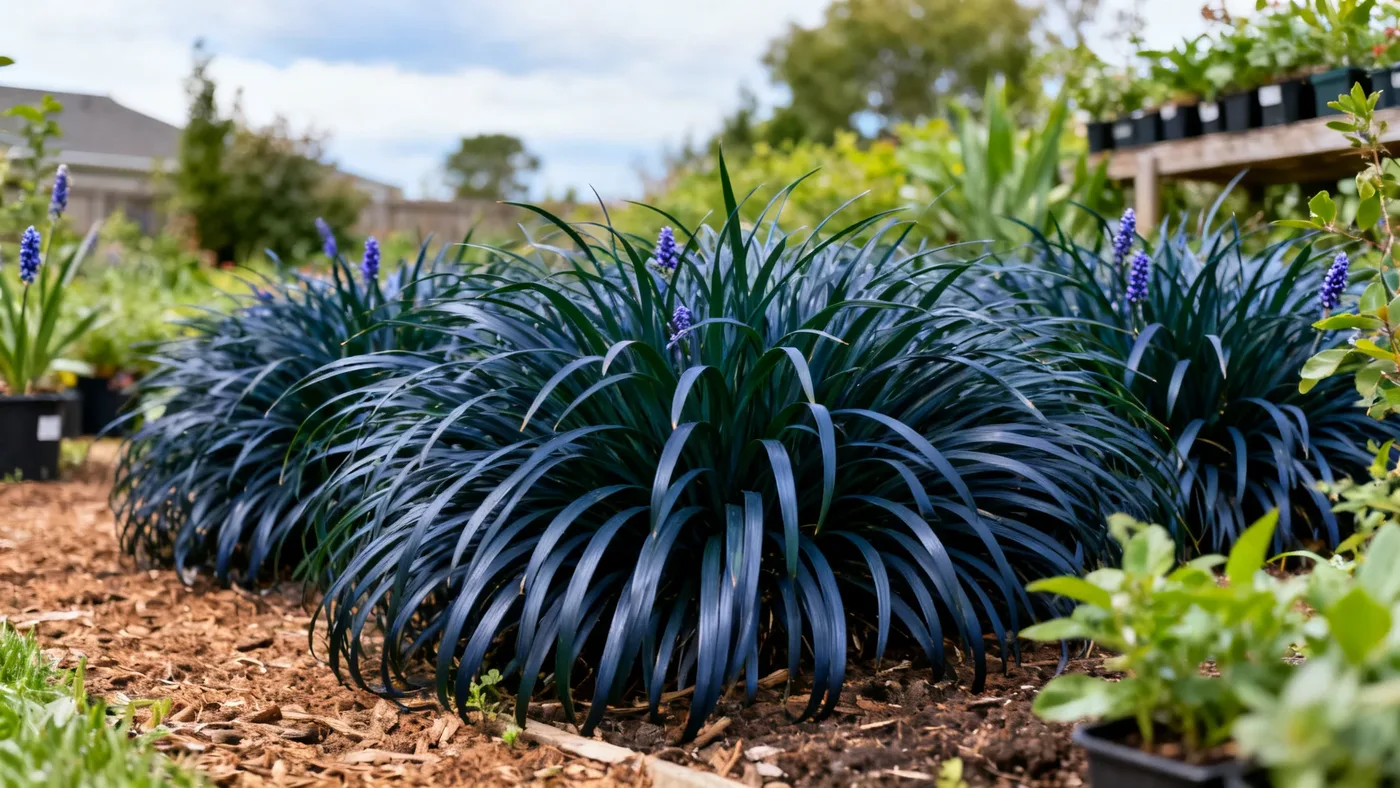
Watering Big Blue Lilyturf: From New Roots to Established
Big Blue Lilyturf is one of the more forgiving perennials once it settles in, but getting it to that point requires attention to watering. The difference between a thriving planting and one that struggles often comes down to how much water you give it during those first months after planting. This guide walks you through the specifics: what your new plants need, how to adjust as they mature, and how to recognize when you have gotten watering wrong.
What You'll Need
- A watering can, soaker hose, or drip-irrigation line
- A soil moisture meter or your index finger (to check soil dampness)
- A mulch material such as compost or shredded bark (2-3 inches)
- Landscape fabric (optional, for weed suppression around new plantings)
- A marker or stakes to identify newly planted areas
Understanding Watering Needs Across Growing Stages
Big Blue Lilyturf (Liriope muscari 'Big Blue') requires moderate to average water, but the exact amount changes dramatically between a newly planted transplant and an established clump that has been in the ground for a full growing season or more. New plants have shallow roots that cannot yet reach deeper soil moisture. Established plants develop deeper rhizomes and are drought tolerant, meaning they can survive extended dry periods once their root system is mature.
The key figure to remember: establishment takes roughly 1 growing season. That first year is when your plant is most vulnerable to both drought and overwatering.
Step-by-Step Watering Instructions for New Plantings
Follow these steps to establish your Big Blue Lilyturf correctly.
- Plant in the right season. Plant in spring or fall when soil temperatures are mild and rain is more frequent. This reduces your watering burden and helps roots establish faster. Avoid planting during peak summer heat unless you can commit to daily watering for the first 4-6 weeks.
- Water immediately after planting. Whether you plant in spring or fall, water the entire planting area thoroughly after you set each plant in the ground. This settles soil around the roots, eliminates air pockets, and begins the hydration process. Soak the soil to a depth of 4-6 inches at planting time.
- Apply mulch around the base. Spread 2-3 inches of shredded bark, compost, or similar material around each plant, keeping it 2-3 inches away from the foliage crown. Mulch conserves soil moisture, moderates soil temperature, and reduces water loss through evaporation on hot days. Do not pile mulch against the foliage base; this can trap moisture and lead to rot.
- Check soil moisture daily for the first two weeks. Press your finger into the soil 2-3 inches deep near the base of each plant. The soil should feel damp, like a wrung-out sponge. If it feels dry at that depth, water. If it feels wet or soggy, wait another day or two before checking again.
- Water deeply, not frequently. When you water, apply water slowly so it soaks down to 4-6 inches deep, wetting the entire root zone. A soaker hose or drip line works better than overhead watering because it delivers water to the soil without wetting foliage, which can promote disease. Watering deeply but less often encourages roots to grow deeper into the soil.
- Reduce watering frequency after four weeks. Once your Big Blue Lilyturf has been in the ground for about 4 weeks, the roots will have begun to extend into surrounding soil. Check moisture every 3-4 days instead of daily. Water when the top 2 inches of soil feels dry to the touch, but before the soil dries out completely.
- Gradually reduce watering through the growing season. By mid-summer (if spring-planted) or through fall and into the next spring (if fall-planted), space watering further apart. By the end of the first growing season, your plant should need watering only during prolonged dry spells lasting more than 2-3 weeks without rain.
Watering Established Plants
After 1 year in the ground, Big Blue Lilyturf becomes drought tolerant and requires minimal supplemental watering. In most climates, established plants get adequate moisture from rainfall alone. Water established plantings only when you experience more than 3 weeks without rain. In that case, give them a deep soaking, not a quick sprinkle. One thorough watering that penetrates 4-6 inches is better than several shallow waterings.
In containers, watering needs remain more frequent even for mature plants. Container soil dries faster than in-ground soil, so check container plantings every few days during the growing season and water when the top inch of soil feels dry.
Regional Adjustments
Big Blue Lilyturf grows in USDA zones 5 through 10. Your regional rainfall, humidity, and temperature all affect how often you water.
- Hot, dry regions (zones 8-10): New plantings may need watering twice per week in their first month if temperatures exceed 85°F and rainfall is sparse. Established plants will still need occasional deep watering during the hottest, driest parts of summer.
- Temperate regions (zones 6-7): New plantings typically need water every 5-7 days in their first 6 weeks, assuming moderate temperatures and some rainfall. Established plants usually need no supplemental water except during unusual droughts.
- Cooler regions (zones 5-6): New plantings need watering every 7-10 days in their first growing season. The cooler, more humid climate means slower evaporation. Established plants are generally self-sufficient.
Signs of Watering Problems
Watch for these symptoms to catch watering mistakes before they damage your plants.
Overwatering Signs
Big Blue Lilyturf is susceptible to crown rot and root rot in soggy, poorly drained soil. Overwatering is actually a more common mistake than underwatering.
- Wilting or yellowing foliage despite wet soil: The roots are suffocating in standing water and cannot absorb nutrients. The plant looks thirsty but is actually drowning.
- Soft, mushy foliage base or crown: The foliage touches the soil and is staying too wet, or the soil is waterlogged. This is a serious sign of rot developing.
- A sour or musty smell from the soil: Anaerobic bacteria are thriving in waterlogged conditions.
- Brown or black discoloration spreading from the base upward: Crown rot has begun. The plant may not recover unless you improve drainage immediately.
Underwatering Signs
Underwatering is less dangerous for Big Blue Lilyturf than overwatering, but it does slow establishment.
- Foliage that is pale, curled, or dry-looking: The plant is thirsty, especially during its first growing season.
- Slow growth or no visible spread during the first year: The plant is using energy to survive rather than spread. Once watering improves, growth resumes.
- Compact, stunted clumps that don't reach their typical 12-18 inch height: Chronic underwatering has limited the plant's potential.
Tips to Succeed
- Err on the side of slightly dry rather than wet. Big Blue Lilyturf forgives mild drought. It does not forgive waterlogged roots.
- Use well-drained soil. The plant adapts to many soil types, including clay, but they must not stay soggy. If your soil drains poorly, amend the planting area with compost or perlite to improve drainage, or consider raised beds.
- Mulch wisely. A 2-3 inch layer helps retain moisture during dry spells. Do not mulch right against the foliage base; this traps moisture and promotes rot.
- Water in the early morning. Watering early allows foliage to dry quickly if it gets wet, reducing disease risk.
- Use a soaker hose or drip line, not overhead sprinklers. These methods deliver water to the root zone without wetting foliage, which minimizes disease.
- Check soil moisture, don't guess. Feel the soil at 2-3 inches depth. This is far more reliable than assuming how much water has been available.
Expected Results
With consistent, appropriate watering during the first growing season, Big Blue Lilyturf establishes a healthy root system and reaches its mature size of 12-18 inches tall and 12-18 inches wide per clump. By the second year, established plants require little to no supplemental watering in most climates and thrive with occasional deep waterings only during prolonged dry spells.
If you've followed these steps and your plant still struggles, review the full Big Blue Lilyturf care guide to check other factors such as light (the plant prefers part shade), soil pH (slightly acidic to neutral), and pest or disease issues.
Quick Reference: Watering Schedule
| Plant Stage | Timing | Watering Frequency | Soil Moisture Target |
|---|---|---|---|
| Newly planted (weeks 1-2) | Spring or fall planting | Every 1-2 days | Damp, like wrung-out sponge |
| Establishment (weeks 3-12) | First 3 months after planting | Every 3-7 days (adjust by rainfall) | Top 2 inches dry, but not parched |
| Maturing (months 4-12) | Remainder of first growing season | Every 2-3 weeks (if no rain) | Allow brief dry periods between waterings |
| Established (year 2+) | After first full growing season | During droughts only (3+ weeks without rain) | Drought tolerant; water deeply when dry |
| Container plantings | Any time of year | Every 3-5 days during growing season | Top 1 inch dry; soil drains well |