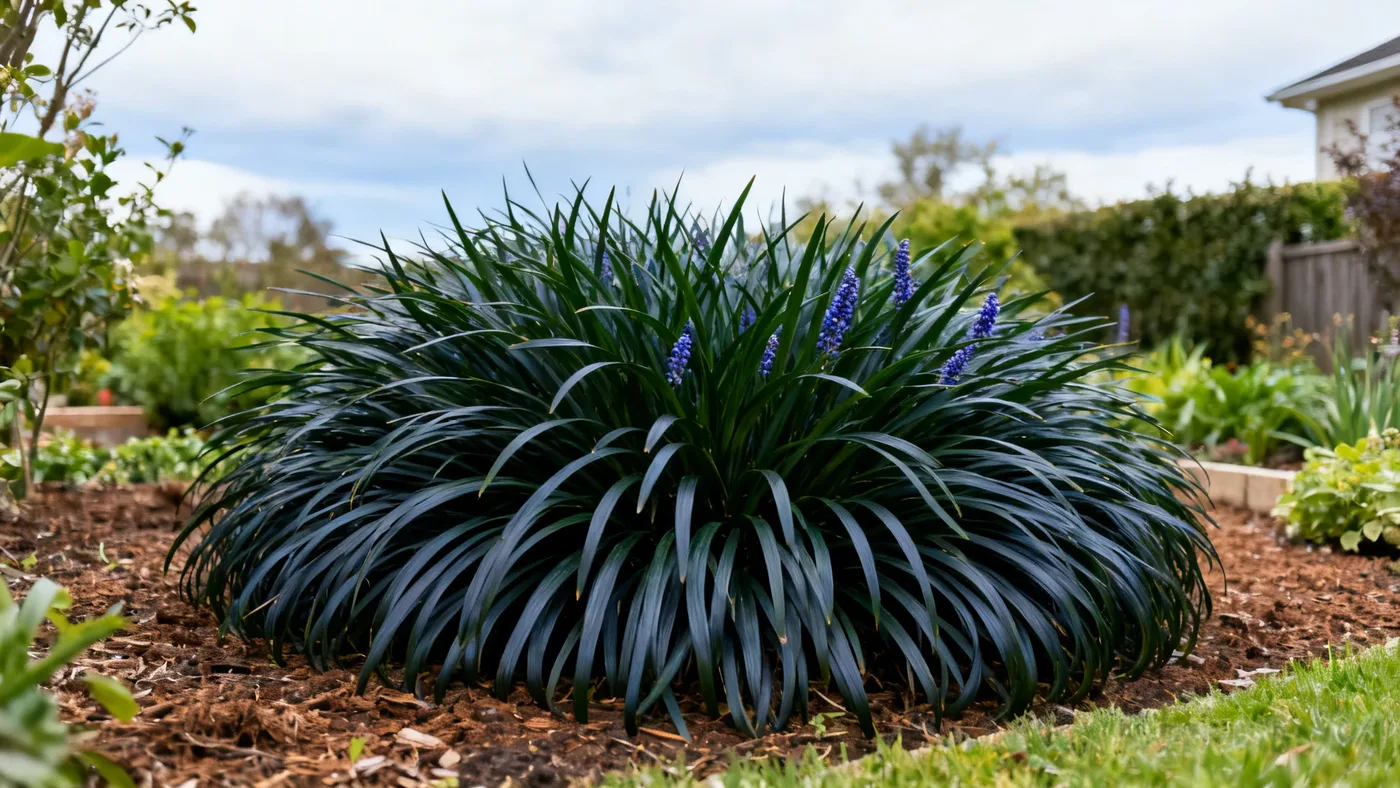
8 Common Big Blue Lilyturf Problems and How to Fix Them
Big Blue Lilyturf is one of the toughest, most reliable groundcovers you can plant. It shrugs off drought, tolerates shade, and practically never needs fussing. But even the hardiest plants run into trouble sometimes. If your Liriope muscari 'Big Blue' is looking sad, browning out, or attracting pests, the fix is usually straightforward once you know what to look for. This guide walks you through the eight most common Big Blue Lilyturf problems, what causes them, and exactly how to fix them so your plants bounce back.
1. Slugs and Snails Eating Holes in Leaves
Slugs and snails are the most common pests on Big Blue Lilyturf. You'll notice irregular holes or ragged edges on the foliage, often with a slime trail nearby. These soft-bodied mollusks feed at night and hide during the day in moist soil, mulch, or dense groundcover. They're especially active in spring and after rain, and they love the cool, damp conditions that Big Blue Lilyturf thrives in.
The damage rarely kills the plant, but heavy infestations can strip enough foliage to weaken the clump. Start by removing excess mulch or dense debris where slugs hide. Thin the planting if clumps are crowded together. For active infestations, hand-pick slugs in early morning or evening when they feed. Beer traps (a shallow dish of beer sunk flush with the soil) will attract and drown them. Copper tape barriers around individual plants can deter them, though this works best on containers.
Practical takeaway: Reduce slug habitat by keeping mulch 2-3 inches away from plant bases and spacing clumps 12-18 inches apart. Hand-picking after rain is the simplest organic control for light populations.
2. Scale Insects Weakening Plant Vigor
Scale insects are small, armored pests that attach to leaf blades and stems, sucking plant juices. You'll see tiny brown bumps on the foliage that don't rub off easily. Infested plants look stunted, pale, or progressively weaker over weeks. Unlike slugs, scale insects are easy to miss because they look like part of the plant until you inspect closely.
The good news: scale on Big Blue Lilyturf rarely becomes severe. An annual late-winter cutback (mowing old foliage to a few inches before new growth emerges in spring) removes a lot of the pest population. If you see scale on new growth in summer, spray affected areas with horticultural oil according to label directions. The oil smothers the insects without harming the plant. One or two applications usually control light to moderate infestations.
Practical takeaway: Annual pruning in late winter to early spring removes most scale insects before they can spread. Horticultural oil works quickly if scale appears on new growth.
3. Crown Rot Causing Sudden Collapse
Crown rot is a fungal disease that attacks the base of the plant where the foliage meets the soil. Affected clumps suddenly wilt, turn dark brown, and collapse. Often you'll see this happen to just part of a clump, leaving healthy sections nearby. The crown feels soft and rotten when you press on it. Crown rot thrives in cool, wet soil and is more common in poorly drained sites or when plants are buried too deeply.
Once crown rot sets in, there's no chemical cure. Remove and discard the affected portions of the clump, or dig out the entire plant if the damage is extensive. To prevent crown rot, plant Big Blue Lilyturf at the same depth it was growing in its container, the crown should sit at soil level, not buried. Improve drainage by amending heavy clay with compost before planting. Space plants 12-18 inches apart so air circulates freely. Avoid overhead watering late in the day, which keeps foliage and soil wet overnight.
Practical takeaway: Plant at the correct depth with good drainage. If crown rot appears, remove the diseased portion and replant elsewhere in a better-draining spot.
4. Root Rot in Soggy Soil
Root rot develops when soil stays waterlogged for extended periods. Affected plants yellow, wilt despite adequate moisture, and eventually stop growing. If you dig up a plant with root rot, the roots smell musty and feel mushy rather than firm. This is most common on sites with poor drainage or in containers that don't have drainage holes.
Big Blue Lilyturf is drought tolerant once established (roughly one growing season after planting) and prefers average, well-drained soil. If root rot has already taken hold, the best fix is often to dig out the plant, shake off old soil, and replant in a sunnier, better-draining location or amend the original site with coarse sand and compost. Look for the cause too: is water pooling after rain? Is the planting in a low spot? Is the container's drainage clogged? Once you solve the water problem, the plant can recover in a year or two.
Practical takeaway: Never plant Big Blue Lilyturf in a location where water stands for more than a day after rain. If root rot appears, move the plant to a higher, drier spot or heavily amend the soil.
5. Anthracnose Leaf Spot
Anthracnose is a fungal leaf disease that shows up as small brown or gray spots on foliage, sometimes with a darker border. The spots can merge into larger dead patches. In humid climates or during wet springs, anthracnose can spread across a clump, though it rarely kills the plant outright. The disease looks worse than it is, mostly a cosmetic issue that makes the plant look tired.
Since this is a fungal disease, the main control is preventive. Space plants adequately so air circulates (12-18 inches apart), avoid overhead watering, and water at soil level in early morning. The annual late-winter cutback removes diseased foliage before new growth emerges. If anthracnose is severe in early summer, you can prune away the worst-affected stems or spray with a fungicide labeled for anthracnose, following all label directions. Most infections are light enough that they don't require chemical treatment.
Practical takeaway: Good air circulation and avoiding wet foliage prevent most anthracnose problems. An annual pruning in late winter removes old infected tissue before it can spread.
6. Leaf Scorch and Bleaching from Too Much Direct Sun
Big Blue Lilyturf performs best in part shade, though it will grow in full sun to full shade. In extremely hot climates or when exposed to intense afternoon sun with little water, foliage can develop bleached or scorched patches that fade from green to tan or white. This happens because the leaf tissue gets damaged by the combination of sun intensity and heat stress. The plant doesn't die, but it looks bleached and thin.
This is the one case where more shade is actually the fix. If your Big Blue is scorching, plant something taller nearby to provide afternoon shade, or relocate the plant to a shadier spot if possible. In regions where sun stress is common, stick to areas with dappled or part-shade exposure. Once the plant is in better shade, new growth typically comes in green and healthy within a few weeks. The bleached foliage won't recover, but you can prune back the worst sections in late winter to tidy things up.
Practical takeaway: Plant Big Blue Lilyturf in part shade for best results. If it's getting scorched, move it to a site with afternoon shade or at least a couple hours of morning sun only.
7. Winter Foliage Burn in Zones 5-6
Big Blue Lilyturf is evergreen in zones 7-10, holding its green foliage year-round. In colder zones (5-6), the foliage often browns or dies back completely during harsh winters. This is normal for the climate, not a disease, though it can look alarming if you expect lush green growth all season. The plant is not dead, just dormant and waiting for spring.
In zones 5-6, expect the foliage to thin out, brown, or disappear entirely by mid-winter. Mulch plants lightly after the ground freezes to protect the roots, though Big Blue Lilyturf is hardy enough that this is optional if drainage is good. In early spring (late winter to early spring before new growth emerges), cut back any dead or browned foliage to a few inches. New shoots will emerge once soil warms. If winter burn is severe two years in a row, consider planting in a more sheltered location with afternoon shade or moving plants to zones 7 or warmer where they stay fully evergreen.
Practical takeaway: In zones 5-6, winter foliage burn is expected and not a problem. Cut back browned foliage in early spring before new growth appears.
8. Slow Growth and Sparse, Thin Clumps
Big Blue Lilyturf grows slowly to moderately, spreading just a few inches per year via short rhizomes. If your plants feel stuck after two or three growing seasons and clumps still look thin and sparse, they may need a nutritional boost or better conditions. Lean, poor soil, deep shade, or overcrowding can slow growth.
A light application of general-purpose or slow-release fertilizer in spring helps, though Big Blue Lilyturf tolerates lean soil well. More often, the issue is shade that's too deep or competition from other plants. Big Blue Lilyturf reaches full mature clump size in about 2-3 years, so be patient if plants are younger than that. If it's been longer and clumps are still sparse, thin nearby competing plants or move the lilyturf to a spot with more light. You can also divide large, established clumps in spring and replant divisions 12-18 inches apart to speed up coverage in a mass planting.
Practical takeaway: Wait 2-3 years for clumps to mature. If growth is slow after that, fertilize lightly in spring or ensure the plant gets at least some dappled light, not deep shade.
Quick Reference: Common Big Blue Lilyturf Problems
| Problem | Cause | Quick Fix |
|---|---|---|
| Slugs and snails | Pest feeding on foliage | Reduce mulch, hand-pick, or use beer traps |
| Scale insects | Armored pest on stems and leaves | Prune back in late winter; spray new growth with horticultural oil |
| Crown rot | Fungal disease in wet soil; planting too deep | Remove diseased portions; plant at correct depth; improve drainage |
| Root rot | Waterlogged soil for weeks | Relocate to drier site or amend soil heavily with sand and compost |
| Anthracnose | Fungal leaf disease in humid conditions | Improve air circulation; water at soil level; prune in late winter |
| Leaf scorch | Too much intense sun with insufficient water | Provide afternoon shade or relocate to part shade |
| Winter burn (zones 5-6) | Cold-climate foliage damage | Normal; cut back in early spring; new growth returns |
| Sparse clumps | Slow growth rate or poor light | Fertilize in spring; ensure dappled light; divide for faster coverage |
Keep Your Big Blue Lilyturf Healthy Long Term
Most of these problems are preventable with the right site conditions. Big Blue Lilyturf thrives when planted at the correct depth in average, well-drained soil with part shade and moderate water. Proper spacing (12-18 inches apart) ensures air circulation and reduces pest and disease pressure. An annual pruning in late winter to early spring keeps foliage fresh and removes diseased tissue before new growth emerges.
For more complete care information, see our Big Blue Lilyturf care guide, which covers planting, watering, fertilizing, and seasonal maintenance. With these fundamentals in place, your Liriope muscari 'Big Blue' will be a low-maintenance, long-lived groundcover for 10 or more years with minimal intervention.