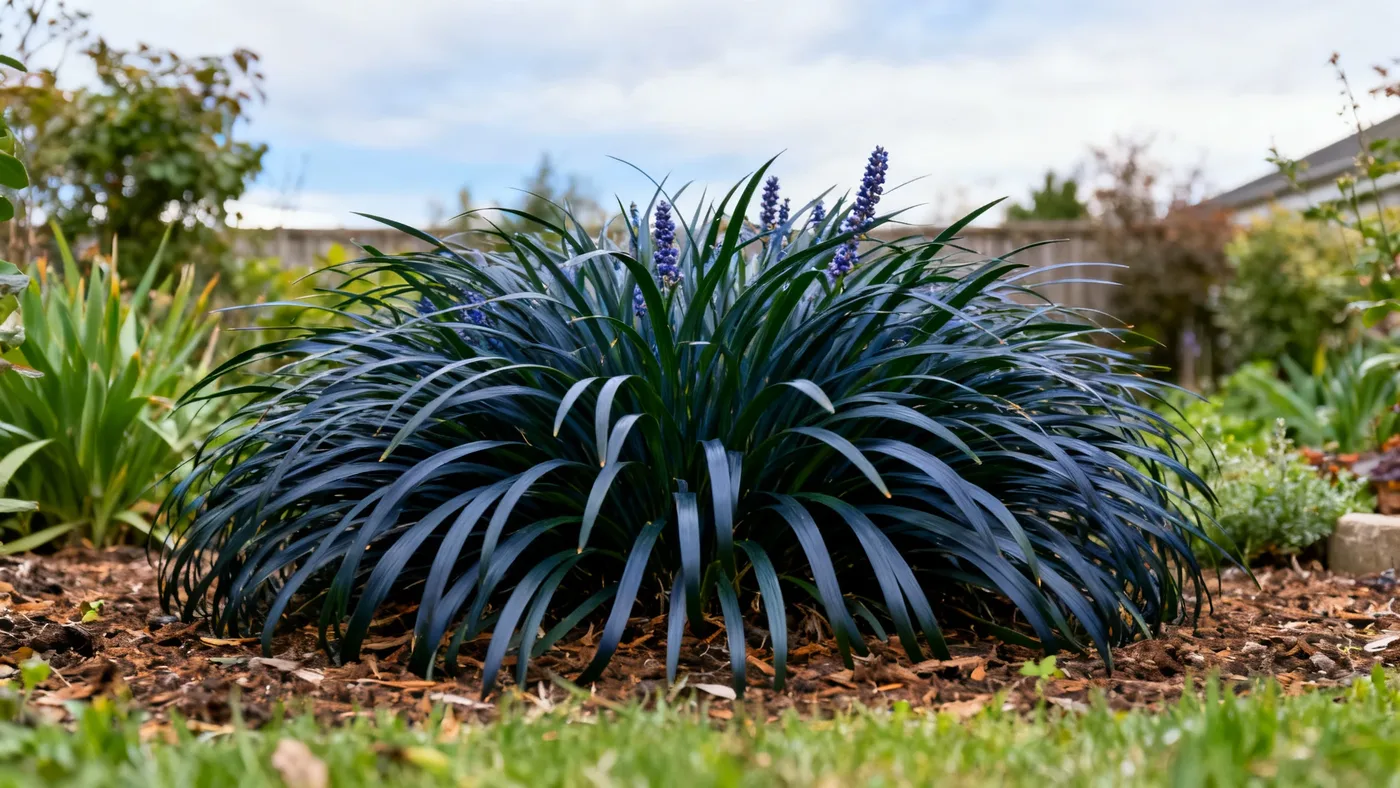
How to Propagate Big Blue Lilyturf by Division
Dividing Big Blue Lilyturf is one of the most straightforward ways to propagate this reliable perennial. If you have an established clump that has been growing for a few years, you already have everything you need to create new plants for other areas of your garden. Division preserves the exact characteristics of the parent plant and is far faster than growing from seed, with new plantings often reaching full size within 2 to 3 years.
When to Divide Big Blue Lilyturf
Timing matters when propagating Big Blue Lilyturf by division. Spring is the ideal window. Wait until new growth begins to emerge, typically as soil temperatures warm and you see the first few green shoots breaking through. This gives newly divided sections the entire growing season to establish roots before winter arrives.
In USDA zones 7 to 10, where Big Blue Lilyturf stays evergreen year-round, you can also divide in early fall if spring was missed. In colder zones 5 to 6, stick to spring division. Avoid dividing during the heat of summer or in late fall when plants are hardening off for winter.
An established clump is one that has been in the ground for at least 2 to 3 years and has filled out to its mature width of 12 to 18 inches. If your plant is younger or smaller, give it more time before attempting division. Dividing too young can stress the plant unnecessarily.
What You'll Need
Gathering the right materials before you start makes the work cleaner and faster. Here is what to have on hand:
- A sharp spade or garden fork (not a dull shovel)
- Pruning shears or secateurs
- A bucket of water
- Well-draining soil or potting mix
- A flat work surface, such as a potting bench or ground tarp
- Newspaper or burlap for wrapping divisions before planting
- Optional: a hand trowel for smaller divisions
Sharp tools are critical. A dull spade will crush tissue and invite rot, while sharp blades make clean cuts that heal quickly. If your spade is worn, sharpen it with a file or whetstone before beginning.
Step-by-Step Division Guide
Step 1: Prepare the Parent Clump
Begin by trimming back the foliage of the clump you plan to divide. Cut the strap-like leaves down to a few inches high using pruning shears. This exposes the base of the plant so you can see where the rhizomes connect and makes it easier to work with. Don't worry about damaging the plant; Big Blue Lilyturf is tough and recovers quickly.
Step 2: Loosen and Lift the Clump
Working around the perimeter of the clump, use a sharp spade or garden fork to cut down about 6 to 8 inches into the soil, creating a circle around the plant. Push the fork or spade under the clump at an angle and lever gently to loosen it from the soil. Once loosened, lift the entire clump out of the ground.
Brush away excess soil by hand so you can see the rhizomes, the short underground stems that connect sections of the plant. Rinse gently with water if soil remains stuck. Wet rhizomes are easier to work with than dry ones.
Step 3: Divide the Clump
Using a sharp spade or secateurs, cut the clump into sections. Each division should contain at least 3 to 4 shoots (the green leaf stems) and a visible portion of rhizome. Smaller divisions will still grow and establish themselves, but sections with more shoots accelerate maturity.
Make clean, decisive cuts. If you're working with a large, dense clump, you may be able to pull some sections apart by hand, especially if the rhizomes separate naturally. For tougher clumps, use the spade to cut straight down, creating wedge-shaped or square pieces.
Step 4: Trim the Roots and Shoots
Once divided, trim any damaged or excessively long roots to encourage new root growth. Cut back broken or blackened roots to healthy white tissue. Trim the shoots to about 4 to 6 inches tall to reduce water loss from foliage and to balance the plant's energy between top growth and root establishment.
Step 5: Prepare the Planting Site
While divisions will grow in average, well-drained soil, preparing the planting site ahead of time helps them settle in faster. Loosen the soil 8 to 12 inches deep and, if the soil is very compacted or heavy clay, work in some compost to improve drainage. Big Blue Lilyturf tolerates clay, but drainage ensures roots won't rot in waterlogged conditions.
Divisions should be spaced 12 to 18 inches apart, depending on how quickly you want the area to fill in. Closer spacing creates a fuller appearance sooner; wider spacing gives each division more room to spread.
Step 6: Plant the Divisions
Dig a hole slightly larger than the division's root ball. Place the division in the hole so that the base of the shoots sits just at soil level (not buried). Backfill with soil, firming gently to eliminate air pockets. Water thoroughly to settle the soil and remove any remaining air gaps around the roots.
Keep the planting area consistently moist (not waterlogged) for the first 2 to 3 weeks. Once divisions show new growth, you can reduce watering frequency. Established Big Blue Lilyturf is drought tolerant after about one growing season, but young divisions benefit from regular moisture until roots are well developed.
Tips and Common Mistakes to Avoid
Don't divide too early. Attempting to divide a young clump that is still establishing stresses the plant and results in slower recovery. Wait until the clump is robust and at least 2 to 3 years old.
Avoid crushing tissue with dull tools. Crushed or ragged cuts invite crown rot and root rot, especially if drainage is poor. A sharp spade or secateurs make clean cuts that heal quickly.
Don't overwater new divisions. While consistent moisture is important, soggy soil promotes rot in the rhizomes. Aim for moist but not waterlogged soil. If your soil drains poorly naturally, amend it with compost or coarse sand.
Keep newly divided sections out of intense heat. Plant divisions in spring or early fall, not in peak summer. If you must divide in warmer months, provide afternoon shade for the first few weeks.
Include adequate rhizome with each division. Divisions that consist only of leaves with minimal rhizome may struggle to establish. Aim for at least a 1-inch section of rhizome per division.
Don't skip trimming foliage. Cutting the leaves down before division reduces stress on the plant and makes handling much easier. The foliage will regrow quickly once the plant settles in.
After Division: What to Expect
Newly divided Big Blue Lilyturf typically shows new growth within 2 to 4 weeks. Depending on size at division and growing conditions, sections may bloom in their first full growing season after planting, though some may wait until the second year.
The rhizomes of Big Blue Lilyturf spread slowly via short underground runners, so expect the clump to increase in width by just a few inches each year. Full mature clump size, around 12 to 18 inches wide, is usually reached in 2 to 3 years. This slow, steady growth habit makes it useful as a stable border or edging plant without aggressive spreading.
Once established, divisions tolerate drought, adapt to sun or shade (though they perform best in part shade), and require minimal maintenance. For more complete care information, see our Big Blue Lilyturf care guide.
Quick Reference: Division Checklist
| Step | Timing or Details |
|---|---|
| Ideal division season | Spring, when new growth emerges |
| Clump maturity required | 2-3 years old, 12-18 in. wide |
| Trim foliage before dividing | Cut to 3-4 in. high |
| Minimum per division | 3-4 shoots plus 1 in. rhizome |
| Spacing new divisions | 12-18 in. apart |
| Planting depth | Base of shoots at soil level |
| Initial watering | Thorough at planting; keep moist 2-3 weeks |
| First growth expected | 2-4 weeks after planting |
| Time to mature size | 2-3 years |
| Possible first bloom | Same season or year 2 after planting |